Medically Reviewed By Dr. Magnus Jayaraj Mansard. Specialist in Liver Transplantation, HPB Surgery and Surgical Gastroenterology. Last Medically Reviewed: October 2026
If you are searching for how to detox your liver naturally, you may have come across juice cleanses, detox drinks, herbal supplements and restrictive diets that promise to remove toxins quickly.
But your liver does not need a special cleanse to perform its normal detoxification functions.
The liver is one of the body’s major organs involved in processing nutrients, medicines and potentially harmful substances. It continuously changes and processes substances so that they can be eliminated through the bile, urine and other normal body pathways.
So, what can you actually do to support your liver?
The most useful approach is not a short-term detox. It is a consistent lifestyle that supports a healthy weight, balanced nutrition, regular physical activity and limited exposure to substances that can damage the liver.
Can You Really Detox Your Liver Naturally?
Yes, your body naturally detoxifies substances every day, but this does not mean that you need a special liver cleanse. There is currently no medically proven diet, juice or supplement that can “flush” toxins out of a healthy liver within a few days.
Your liver is already continuously involved in processing substances from food, medicines, alcohol and normal metabolism. The kidneys, digestive system and other organs also play important roles in removing waste.
Therefore, instead of asking how to detox your liver in 3 days or looking for a 7-day liver cleanse, it is more useful to ask:
How can I reduce unnecessary stress on my liver and support overall liver health?
That shift in approach can help you avoid extreme diets and unproven detox products.
How Does the Liver Naturally Detoxify the Body?
The liver performs many complex metabolic functions.
It processes nutrients absorbed from the digestive tract and helps metabolize medicines, alcohol and other chemicals. Liver enzymes transform many substances into forms that can be handled and eliminated by the body.
The liver also produces bile, which is important for digestion and helps carry certain waste products into the digestive tract.
This process happens continuously. It is not something that starts when you drink a detox juice and stops after a week. The best way to support these normal functions is to protect the liver from avoidable injury while providing your body with adequate nutrition.
1. Eat a Balanced, Liver-Friendly Diet
A healthy diet is one of the simplest ways to support long-term liver health. Instead of following a highly restrictive detox diet, build meals around a variety of nutritious foods.
Try to include:
- Vegetables of different types and colours
- Whole fruits
- Whole grains
- Beans and lentils
- Nuts and seeds in appropriate portions
- Fish and other healthy protein sources
- Healthy unsaturated fats such as those found in nuts, seeds, fish and olive oil
For people with fatty liver or metabolic dysfunction-associated steatotic liver disease (MASLD), dietary quality, portion control and maintaining a healthy weight are particularly important.
NIDDK recommends emphasizing fruits, vegetables and whole grains while reducing foods and drinks high in simple sugars, including sugar-sweetened beverages.
What about liver detox foods?
There is no single food that “cleans” the liver.
However, foods that form part of a balanced diet can support overall metabolic and liver health.
Examples include:
- Leafy green vegetables
- Broccoli and other vegetables
- Apples and other whole fruits
- Oats and other whole grains
- Beans and lentils
- Fish
- Nuts and seeds
The benefit comes from the overall dietary pattern rather than one special detox food.
2. Reduce Added Sugar and Sugary Drinks
Excessive intake of added sugars can contribute to excess calorie intake and metabolic problems.
Sweetened soft drinks, energy drinks, sweetened tea and other sugary beverages can make it easier to consume large amounts of sugar without feeling full.
If you are concerned about fatty liver, replacing sugary drinks with water or other unsweetened beverages can be a practical step.
Whole fruit is generally preferable to large amounts of fruit juice because whole fruit contains fibre and is more filling.
3. Maintain a Healthy Weight
Excess body weight, particularly when associated with metabolic problems, can increase the risk of fatty liver disease. if you are overweight, gradual weight loss may improve liver health.
For people with MASLD, NIDDK reports that losing at least 3% to 5% of body weight can reduce liver fat, while greater weight loss may be needed to improve liver inflammation and fibrosis. Rapid weight loss and malnutrition should be avoided.
This is why crash diets are not a good substitute for sustainable lifestyle changes. If you have significant liver disease, speak with a doctor or dietitian before starting a weight-loss program.
4. Exercise Regularly
Physical activity can benefit liver health even when it does not result in major weight loss.
Regular exercise can help improve:
- Insulin sensitivity
- Body weight management
- Cardiovascular health
- Metabolic health
- Overall fitness
Choose an activity that you can maintain consistently.
Walking, cycling, swimming, strength training and other forms of exercise can be incorporated into a healthy routine depending on your fitness level and medical condition.
The goal is consistency rather than an intense “detox workout.”
5. Limit or Avoid Alcohol
Alcohol is processed by the liver, and excessive alcohol consumption can cause liver injury. If you already have liver disease, your doctor may recommend avoiding alcohol completely.
For example, people with cirrhosis are advised to stop drinking alcohol because continued alcohol exposure can cause further liver damage.
If reducing alcohol is difficult, speak with a healthcare professional rather than relying on a detox program to reverse its effects.
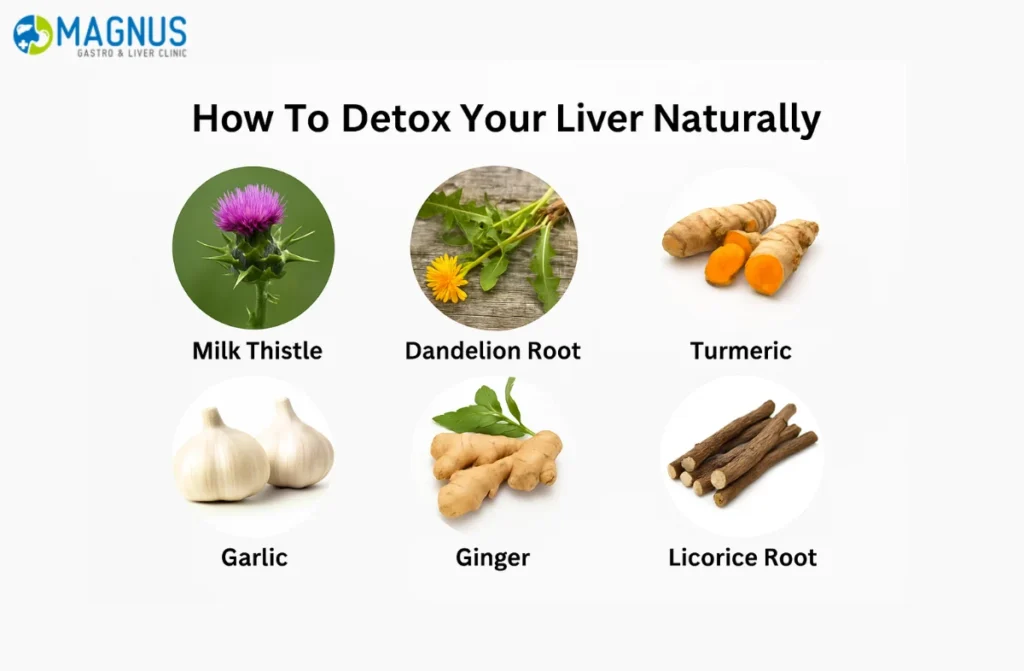
6. Be Careful With Herbal and Detox Supplements
One of the most important liver detox tips is also one of the most overlooked:
Natural does not automatically mean safe.
Many products marketed as liver cleanses contain combinations of herbs, concentrated extracts, vitamins or other ingredients.
Some supplements have been associated with liver injury. The American Association for the Study of Liver Diseases recognizes drug-, herbal- and dietary-supplement-induced liver injury as an important clinical problem.
Mayo Clinic also cautions that liver detox supplements may cause harm and that products such as milk thistle have not been proven to improve liver health consistently.
Before taking a supplement marketed for liver cleansing, discuss it with your doctor, particularly if you already have liver disease or take prescription medicines.
7. Do Not Stop Prescribed Medicines Without Medical Advice
Some medicines are processed by the liver.
However, this does not mean that you should stop prescribed medication because you are worried about “toxins.”
Stopping a medicine suddenly can sometimes be dangerous or make an existing condition worse.
If you are concerned that a medicine or supplement may be affecting your liver, speak with your healthcare professional.
Tell your doctor about all medicines, over-the-counter products, vitamins and herbal supplements you use.
8. Stay Hydrated
Adequate fluid intake is important for normal body function.
However, drinking excessive amounts of water, lemon water or special detox drinks does not provide a special liver-cleansing effect.
For most people, plain water is an appropriate everyday choice.
Your fluid requirements may be different if you have certain medical conditions, so follow your doctor’s advice if you have been asked to restrict or modify fluid intake.
9. Avoid Extreme Fasting and Crash Detox Diets
Some detox programs involve fasting for long periods or consuming only juices, teas or very low-calorie foods.
These approaches are not necessary for normal liver detoxification. They can also make it difficult to obtain adequate protein, calories, vitamins and minerals.
People with advanced liver disease may have particular nutritional needs. NIDDK advises people with cirrhosis to avoid prolonged fasting because cirrhosis can affect nutrition and energy metabolism.
If you have liver disease, do not start a fasting or restrictive diet without medical advice.
10. Manage Conditions That Affect Liver Health
Liver health is closely connected with overall metabolic health.
Conditions such as:
- Obesity
- Type 2 diabetes
- High cholesterol
- Metabolic syndrome
- Fatty liver disease
can increase the risk of liver problems.
Managing these conditions through appropriate medical treatment, nutrition, physical activity and regular follow-up may be more beneficial than trying a temporary liver cleanse.
If you have been diagnosed with fatty liver, follow the treatment plan recommended by your doctor.
Do Liver Detox Drinks Work?
Liver detox drinks are commonly promoted using ingredients such as lemon, herbs, spices, green tea or other plant extracts.
Although some individual foods and beverages can form part of a healthy diet, there is not enough evidence to conclude that a particular detox drink can cleanse the liver or remove toxins from it. Some concentrated herbal products can also cause liver injury.
Therefore, rather than searching for the best liver detox drink, focus on drinking enough fluids and choosing an overall balanced diet.
What About Lemon Water for Liver Detox?
Lemon water can be a refreshing way to increase fluid intake, but it should not be considered a liver cleanse.
It does not “flush” toxins from the liver. If you enjoy lemon water and it helps you drink more water instead of sugary beverages, it can be part of a healthy routine.
The important benefit comes from the overall lifestyle rather than the lemon itself.
How Long Does It Take to Improve Liver Health?
There is no universal timeline for liver health improvement. It depends on the underlying cause of liver injury, the severity of disease, your metabolic health and the changes you make.
For example, people with fatty liver may see improvement after making sustained changes in weight, diet and physical activity.
However, liver disease caused by viral hepatitis, alcohol, medications, autoimmune conditions or other causes requires condition-specific medical care. This is why a “3-day liver detox” should not be presented as a treatment for liver disease.
How Do You Know If Your Liver Needs Medical Attention?
Many liver conditions can exist without obvious symptoms during the early stages.
Possible symptoms of liver problems can include:
- Persistent fatigue
- Loss of appetite
- Nausea
- Abdominal discomfort
- Yellowing of the skin or eyes
- Dark urine
- Pale stools
- Persistent itching
- Abdominal swelling
- Leg swelling
These symptoms do not automatically mean that you have liver disease, but they should not be ignored, particularly if they are persistent or worsening.
Seek prompt medical attention if you develop symptoms such as jaundice, severe abdominal pain, confusion, vomiting blood or significant abdominal swelling.
Can a Liver Detox Reverse Liver Damage?
A detox diet should not be considered a treatment for established liver damage. Whether liver injury can improve depends on its cause and stage.
For example, addressing the underlying cause of fatty liver may reduce liver fat and, in some cases, improve inflammation and fibrosis.
Other liver diseases require specific medical treatment. If you have abnormal liver enzymes, fatty liver, hepatitis, fibrosis or cirrhosis, speak with a hepatologist or gastroenterologist about the appropriate evaluation and treatment.
When Should You See a Liver Specialist?
Consider medical evaluation if:
- Your liver blood tests are repeatedly abnormal
- You have been diagnosed with fatty liver
- You have hepatitis
- You regularly consume significant amounts of alcohol
- You have unexplained jaundice
- You have a history of liver disease
- You are taking medicines or supplements that may affect the liver
- You have symptoms suggesting liver disease
A doctor may recommend blood tests, ultrasound, FibroScan or other investigations depending on your symptoms and risk factors. The right evaluation is more useful than attempting repeated detox programs.
conclusion
Your liver does not need a special cleanse to do its job. The most useful form of “natural liver detox” is actually long-term liver protection.
Eat a balanced diet, stay physically active, maintain a healthy weight, limit or avoid alcohol, use medicines responsibly and be cautious with herbal and detox supplements.
If you already have liver disease or abnormal liver tests, do not rely on a detox diet to treat the problem. Identifying and treating the underlying cause is much more important. A healthy liver is supported by healthy habits—not by a short-term cleanse.
Read also: Signs Your Liver is Healing