
Medically Reviewed By Dr. Magnus Jayaraj Mansard. Specialist in Liver Transplantation, HPB Surgery and Surgical Gastroenterology. Last Medically Reviewed: October 2026
Liver cirrhosis is a long-term condition in which healthy liver tissue is gradually replaced by scar tissue. As scarring increases, the liver may have difficulty performing important functions such as processing nutrients, producing proteins, removing waste products and regulating blood clotting.
Liver cirrhosis treatment depends on the cause of liver damage, the amount of scarring, liver function and whether complications have developed. Treatment may include medicines, lifestyle and nutrition changes, management of complications, regular monitoring and, in advanced liver disease, liver transplant evaluation.
Early diagnosis and treatment of the underlying cause can help slow further liver damage and reduce the risk of complications.
What Is Liver Cirrhosis?
Cirrhosis is advanced scarring of the liver caused by long-term or repeated liver injury. Common causes include chronic hepatitis B or C, alcohol-associated liver disease, metabolic dysfunction-associated steatotic liver disease (MASLD), autoimmune liver diseases and certain inherited or bile duct disorders.
Cirrhosis can be present without obvious symptoms in its earlier stages. As liver function becomes impaired, symptoms and complications may develop.
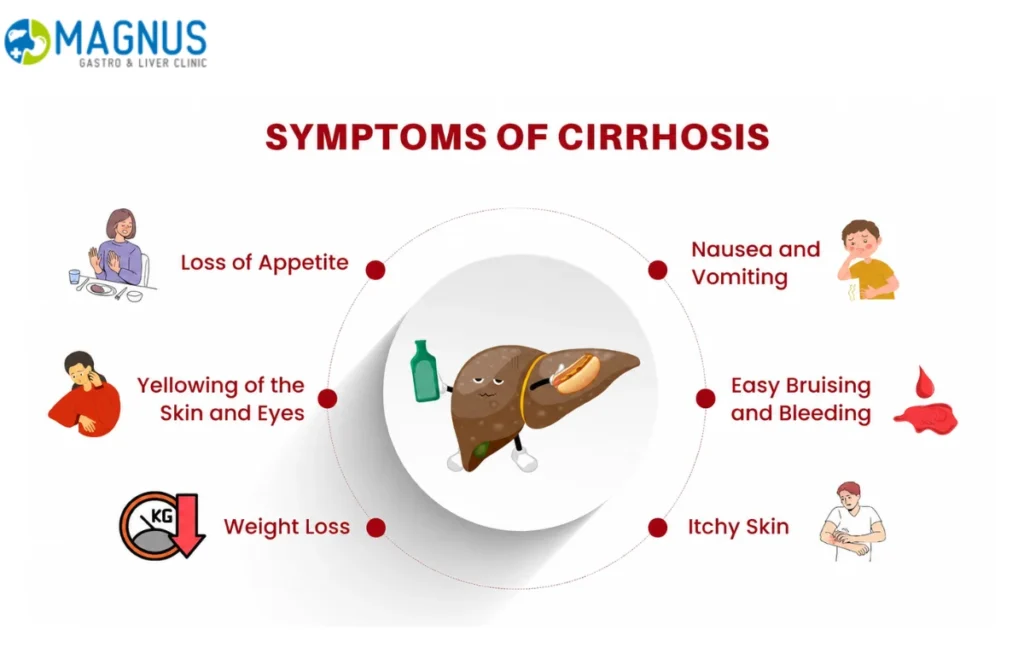
Common symptoms can include:
- Tiredness and weakness
- Poor appetite or unintentional weight loss
- Nausea
- Itchy skin
- Swelling of the legs or abdomen
- Yellowing of the eyes or skin
- Easy bruising or bleeding
- Confusion or changes in sleep and thinking
Some people may have few or no symptoms until significant liver damage has occurred.
How Is Liver Cirrhosis Diagnosed?
A doctor usually combines your medical history, physical examination, blood tests and imaging results to assess liver health. Depending on your condition, evaluation may include:
- Liver function blood tests
- Complete blood count
- Bilirubin and albumin levels
- Blood clotting tests
- Hepatitis B and C testing
- Autoimmune liver disease testing
- Ultrasound
- CT or MRI scans
- Elastography or FibroScan
- Upper gastrointestinal endoscopy when indicated
- Liver biopsy in selected cases
Not every person needs every test. The choice depends on your symptoms, suspected cause and severity of liver disease.
Can Liver Cirrhosis Be Cured?
There is no single treatment that removes established cirrhosis in every patient. However, treatment can often address the cause of liver injury, slow or stop further damage and control complications.
For example, antiviral treatment can control certain chronic viral hepatitis infections. Stopping alcohol can prevent further alcohol-related liver injury, while appropriate management of metabolic conditions can reduce ongoing liver damage.
In advanced liver failure, liver transplantation may be considered because it replaces the diseased liver with a functioning donor liver. This is why early evaluation is important. A person diagnosed with cirrhosis should not assume that nothing can be done.
Liver Cirrhosis Treatment Based on the Cause
The first step is to identify and treat the condition responsible for liver damage.
Hepatitis B and Hepatitis C
- Chronic hepatitis B can be treated with antiviral medicines that suppress the virus and reduce ongoing liver injury.
- Hepatitis C can often be treated successfully with direct-acting antiviral medicines. Your doctor will select treatment according to the viral infection, liver condition and other medical factors.
Alcohol-Associated Liver Disease
- If alcohol is contributing to liver damage, complete avoidance of alcohol is an important part of treatment. Patients may also need nutritional support, addiction treatment or specialist care depending on their circumstances.
Fatty Liver-Related Cirrhosis
- When metabolic liver disease contributes to cirrhosis, treatment focuses on managing associated conditions such as obesity, diabetes, high cholesterol and high blood pressure.
- A sustainable diet, appropriate physical activity and medical management can help reduce ongoing metabolic stress on the liver.
Autoimmune Liver Disease
- Autoimmune hepatitis and other immune-related liver diseases may require medicines that reduce abnormal immune activity.
Bile Duct and Other Liver Diseases
- Some liver conditions affect the bile ducts or result from inherited disorders. Treatment is tailored to the specific disease and may involve medicines, endoscopic procedures or surgery.
Treatment of Cirrhosis Complications
As cirrhosis progresses, complications can develop. Treatment therefore involves more than treating the original cause.
Ascites
- Ascites is the accumulation of fluid in the abdomen. Treatment may include reducing dietary sodium, prescribed diuretic medicines and, when necessary, drainage of excess fluid through a procedure called paracentesis.
- People with difficult-to-control ascites may require further evaluation for procedures such as TIPS.
Varices and Gastrointestinal Bleeding
- Portal hypertension can cause enlarged veins, particularly in the oesophagus or stomach. These veins can bleed and may become a medical emergency.
- Doctors may use medicines to reduce portal pressure and endoscopic treatment such as band ligation when appropriate.
Hepatic Encephalopathy
- Hepatic encephalopathy can cause confusion, changes in sleep, difficulty concentrating and altered behaviour.
- Treatment is directed at reducing the buildup of toxins and identifying triggers such as infection, bleeding, constipation or medication-related problems. Medicines such as lactulose and, in selected patients, rifaximin may be prescribed.
Leg Swelling
- Fluid retention can cause swelling in the ankles and legs. Treatment may involve sodium reduction and medicines that help remove excess fluid, depending on the patient’s overall condition.
Liver Cancer Surveillance
- People with cirrhosis have an increased risk of hepatocellular carcinoma. Regular surveillance is therefore an important part of long-term care.
- Your doctor may recommend periodic liver imaging and blood tests according to your individual risk and current clinical guidelines.
Nutrition and Lifestyle During Cirrhosis Treatment
Nutrition is an important part of managing cirrhosis. Advanced liver disease can increase the risk of muscle loss and malnutrition.
Depending on your condition, your healthcare team may recommend:
- Adequate protein intake
- Regular meals rather than prolonged fasting
- Appropriate calorie intake
- Sodium restriction when fluid retention is present
- Avoiding alcohol
- Safe physical activity to maintain muscle strength
- Appropriate vitamin or mineral supplementation when a deficiency is identified
Dietary recommendations should be individualized. Patients should not start supplements or make major dietary changes without discussing them with their doctor or dietitian.
What Medicines Should Be Avoided in Cirrhosis?
- People with cirrhosis should review all prescription medicines, over-the-counter medicines and supplements with their doctor.
- Some medicines can increase the risk of kidney problems, bleeding or other complications in people with advanced liver disease.
- Do not stop a prescribed medicine on your own. Instead, tell your doctor about everything you take, including painkillers, herbal products and supplements.
What Is TIPS and When Is It Used?
TIPS stands for transjugular intrahepatic portosystemic shunt.
It is a minimally invasive procedure that creates a connection between blood vessels within the liver to reduce portal hypertension.
TIPS may be considered in selected patients with complications such as recurrent or difficult-to-control ascites or certain cases of variceal bleeding.
It does not cure cirrhosis. Instead, it is used to manage specific complications when other treatments are insufficient. Patient selection is important because TIPS can have risks and may not be suitable for everyone.
When Is Liver Transplant Considered?
A liver transplant may be considered when the liver is severely damaged and can no longer perform its functions adequately, particularly when complications of advanced liver disease become difficult to control.
Transplant evaluation considers several factors, including:
- Severity of liver disease
- Liver and kidney function
- Previous complications
- Overall health
- Presence of infections or other serious conditions
- Surgical fitness
- Individual transplant criteria
A transplant is not automatically required simply because someone has cirrhosis. The purpose of a specialist evaluation is to determine whether continued medical management, additional procedures, transplant evaluation or another treatment approach is appropriate.
For patients with decompensated cirrhosis, specialist assessment for possible liver transplantation can be an important part of care.
Liver Cirrhosis Treatment in Chennai
Patients looking for liver cirrhosis treatment in Chennai may need coordinated evaluation involving liver specialists, gastroenterologists, surgeons, radiologists, dietitians and transplant teams, depending on the severity of the disease.
Dr. Magnus Jayaraj Mansard is a surgical gastroenterologist with expertise in liver transplantation and hepatopancreatobiliary surgery. His professional profile documents training at JIPMER, SGPGI Lucknow, AIG Hyderabad and Indraprastha Apollo Hospital/CLBS New Delhi.
Patients can bring previous blood reports, ultrasound or scan reports, endoscopy records, biopsy reports and a list of current medicines for specialist evaluation.
The consultation can help determine the cause and severity of liver disease and whether additional treatment, monitoring or transplant evaluation is required.
When Should You Seek Urgent Medical Care?
Cirrhosis can sometimes become complicated quickly. Seek urgent medical attention if you experience:
- Vomiting blood
- Black or bloody stools
- Severe confusion or unusual drowsiness
- Sudden worsening abdominal swelling
- Fever with abdominal pain
- Severe breathing difficulty
- Significant reduction in urine output
- Sudden worsening jaundice
These symptoms can indicate serious complications and should not be managed at home without medical assessment.
Takeaway
Liver cirrhosis requires long-term medical care, but a diagnosis does not mean that treatment options are exhausted. Identifying the cause, treating ongoing liver injury, monitoring liver function, preventing complications and maintaining good nutrition are central parts of care.
When cirrhosis becomes advanced, specialist assessment can determine whether procedures or liver transplant evaluation should be considered.
If you or a family member has been diagnosed with cirrhosis, discuss the condition with a qualified liver specialist or surgical gastroenterologist to understand the cause, severity and appropriate treatment pathway.
Read more: Best Liver Transplant Surgeon in Perungudi