Over the past decade, the field of gastroenterology in India has witnessed remarkable advancements in diagnostic and treatment techniques. A team of the best gastroenterologist in India have been at the forefront of these developments, making India a hub for cutting-edge gastrointestinal care. Initially, gastroenterology primarily focused on diseases of the digestive tract, but it has now expanded its scope to encompass a wide range of conditions, including liver disorders, pancreas issues, and inflammatory bowel diseases.
A gastroenterologist is a medical specialist who diagnoses and treats disorders of the digestive system, which includes the esophagus, stomach, intestines, liver, pancreas treatment, and gallbladder. They are trained to manage a wide range of gastrointestinal conditions, such as ulcers, irritable bowel syndrome, liver disease, and colorectal cancer treatment, using various diagnostic tools and treatment methods.
What is Gastroenterology?
Gastroenterology is the branch of medicine focused on the digestive system, including the stomach, intestines, liver, pancreas, and gallbladder. The best gastroenterologist in India specializes in diagnosing and treating issues such as:
- Acid reflux and GERD
- Gastric ulcers and infections
- Irritable bowel syndrome (IBS) and inflammatory bowel disease (IBD)
- Fatty liver disease and cirrhosis
- Gallbladder stones and pancreatic disorders
For those seeking holistic healing, the best Ayurvedic gastroenterologist in India offers natural treatments that restore digestive balance without side effects.
Best Gastroenterologist in India
Dr. Magnus Jayaraj Mansard
MBBS, MS – General Surgery, DNB – Surgical Gastroenterology, MRCS (UK)
This best gastroenterologist surgeon in India excels in advanced laparoscopic procedures, effectively addressing gastrointestinal cancers and non-malignant conditions. Patients benefit from minimally invasive surgeries, leading to reduced postoperative discomfort and quicker recovery. Driven by a commitment to excellence, he remains at the forefront of Magnus Gastro and Liver Clinic, Chennai ensuring top-notch patient care.
- Qualifications: MBBS, MS in General Surgery, DNB in Surgical Gastroenterology, MRCS (UK).
- Experience: 17+ years in treating liver, pancreas surgery, and biliary diseases, with a specialization in liver transplantation.
- Expertise: Renowned for advanced laparoscopic procedures in gastrointestinal and hepato-pancreato-biliary surgery.
- Approach: Offers minimally invasive surgeries for faster recovery and less discomfort.
- Practice: Leads Magnus Gastro and Liver Clinic, Chennai, known for exceptional patient care and surgical excellence.

Medical Conditions Treated by Our Gastroenterologists
Digestive disorders can affect people differently. Some patients experience mild symptoms occasionally, while others face recurring discomfort that affects their daily activities. Gastroenterologists evaluate symptoms carefully to identify the exact condition and recommend suitable treatment options.
- Acid Reflux / GERD: Acid reflux occurs when stomach acid frequently moves back into the esophagus, causing irritation and discomfort. Patients often experience heartburn, chest burning, throat irritation, bloating, or a sour taste in the mouth. Symptoms may worsen after spicy meals, overeating, or lying down soon after eating. Long-term GERD can lead to inflammation and damage to the esophageal lining if left untreated.
- Irritable Bowel Syndrome (IBS): Irritable Bowel Syndrome is a functional digestive disorder that affects bowel movements and abdominal comfort. Common symptoms include bloating, stomach cramps, constipation, diarrhea, or alternating bowel habits. Stress, food sensitivities, and irregular eating patterns can often trigger symptoms. Although IBS does not permanently damage the intestines, it can significantly affect daily life and digestive wellness.
- Inflammatory Bowel Disease (IBD): Inflammatory Bowel Disease includes chronic conditions such as Crohn’s disease and ulcerative colitis that cause ongoing inflammation in the digestive tract. Patients may experience abdominal pain, persistent diarrhea, fatigue, weight loss, and rectal bleeding. Unlike temporary infections, IBD usually requires long-term medical care and monitoring. Early treatment helps reduce complications and improve quality of life.
- Liver Disorders: Liver disorders can develop due to fatty liver disease, viral hepatitis, alcohol-related liver damage, or metabolic conditions. Many liver problems progress slowly and may not show symptoms during the early stages. Signs such as fatigue, abdominal swelling, yellowing of the skin or eyes, and digestive discomfort should be evaluated promptly. Timely diagnosis and lifestyle changes help protect liver function and prevent serious complications.
- Pancreatic Diseases: Pancreatic diseases affect the organ responsible for digestion and blood sugar regulation. Conditions such as pancreatitis may cause severe upper abdominal pain, nausea, vomiting, and digestive disturbances. Gallstones, alcohol use, infections, and metabolic disorders are common causes of pancreatic inflammation. Early diagnosis and proper treatment are important to prevent complications and maintain digestive health.
Digestive disorders can significantly affect daily life if left untreated. Timely detection, appropriate treatment, and positive lifestyle habits are essential for maintaining long-term digestive wellness. Consulting an experienced gastroenterologist helps ensure accurate treatment, symptom relief, and better overall well-being.
Gastroenterology Diagnostic Procedures
Gastroenterology diagnostic procedures help specialists identify the exact cause of digestive symptoms and plan effective treatment. From advanced imaging scans to minimally invasive endoscopic procedures, these tests play an important role in detecting conditions affecting the stomach, intestines, liver, pancreas, and other digestive organs. Early diagnosis often helps prevent complications and supports better long-term digestive health.
- Upper GI Endoscopy: A procedure used to examine the esophagus, stomach, and upper digestive tract for ulcers, inflammation, reflux damage, or infections.
- Colonoscopy: A medical examination used to assess the colon and rectum for abnormalities such as bleeding, intestinal conditions, and early signs of colorectal cancer.
- Ultrasound Abdomen: A painless imaging test used to assess abdominal organs and detect conditions such as fatty liver, gallstones, or swelling.
- Liver Function Tests: Blood tests that measure liver performance and help identify inflammation, infections, or liver-related disorders.
- CT Scan or MRI: Advanced imaging techniques that provide detailed views of digestive organs to detect tumors, inflammation, or structural abnormalities.
- Stool and Blood Tests: Laboratory investigations that help identify infections, inflammation, nutritional deficiencies, or digestive disorders.
Advanced Care for Digestive Health
Modern gastroenterology focuses on early diagnosis, preventive care, and long-term digestive wellness. Comprehensive treatment helps improve overall quality of life, eating habits, and daily comfort.
- Medical Treatments: Many digestive disorders can be treated effectively with medications, dietary guidance, and lifestyle modifications. Treatment plans are customized based on the patient’s condition and symptoms.
- Personalized Non-Surgical Care: Non-surgical treatment approaches help manage digestive problems through nutrition planning, stress management, and healthy lifestyle adjustments. These methods often provide long-term symptom relief naturally.
- Minimally Invasive Procedures: Advanced minimally invasive procedures help diagnose and treat digestive disorders with less pain, smaller incisions, and faster recovery compared to traditional surgery.
- Modern Techniques for Faster Recovery: Modern technology and precision-guided treatments improve patient safety, treatment accuracy, and recovery outcomes. Patients usually experience shorter hospital stays and reduced discomfort.
- Advanced Surgical Treatments: Certain complex digestive conditions may require surgical treatment when medications are not sufficient. Modern surgical techniques help improve recovery while effectively treating severe digestive disorders.
When should you consult a Specialist in Gastroenterology?
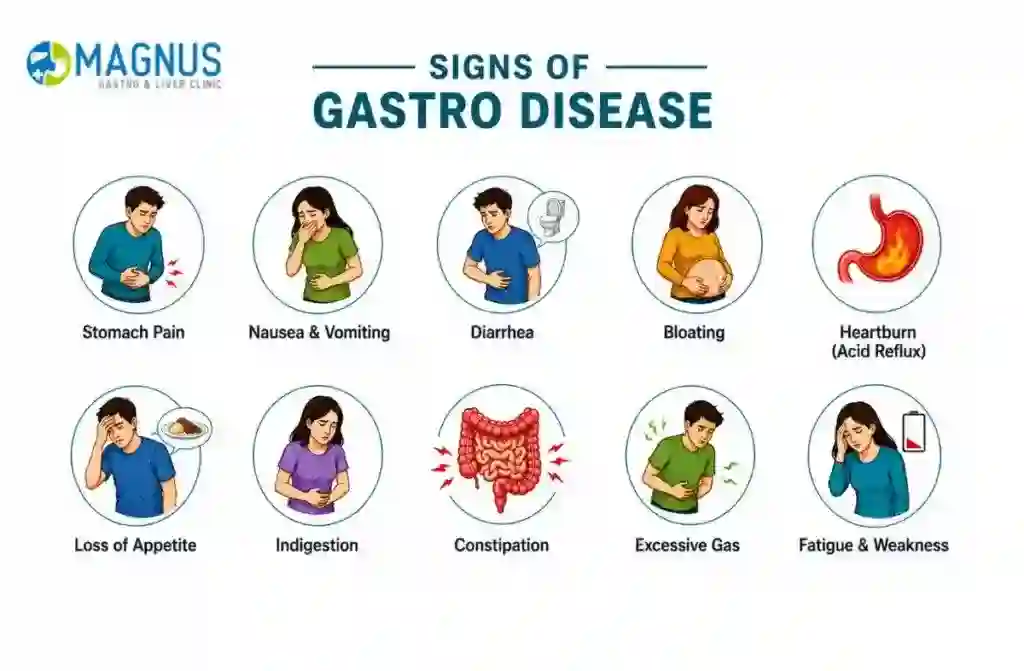
- Persistent Digestive Issues: If you experience ongoing digestive problems like abdominal pain, bloating, diarrhea, or constipation, it’s time to see a gastroenterologist.
- Reflux Symptoms: Chronic heartburn, acid reflux, or difficulty swallowing may indicate underlying gastrointestinal issues that require expert evaluation.
- Unexplained Weight Loss: Sudden or unexplained weight loss without changes in diet or exercise could be a sign of gastrointestinal disorders that need attention.
- Blood in Stool: The presence of blood in stool, whether visible or detected through tests, should prompt immediate consultation with a gastroenterologist to rule out serious conditions.
- Family History: If you have a family history of gastrointestinal conditions like colon cancer or inflammatory bowel disease, regular check-ups with a top gastroenterologist in India are advisable.
Services and Facilities Provided by Dr. Magnus Jayaraj Mansard
Dr. Magnus Jayaraj Mansard offers a comprehensive range of services, ensuring that patients receive the highest level of care. His approach to gastrointestinal health includes preventive, diagnostic, and surgical solutions.
Key Services:
- Endoscopic procedures: Advanced diagnostics for conditions like ulcers, GERD, and digestive cancers.
- Liver and pancreatic care: Specialized treatment for liver diseases, including fatty liver and pancreatitis.
- Minimally invasive surgery: Expertise in laparoscopic and robotic procedures.
- Colonoscopy and cancer screening: Early detection of gastrointestinal cancers.
For those seeking the best gastroenterologist doctor in India, Dr. Magnus Jayaraj Mansard provides cutting-edge treatments and compassionate care. His reputation as the top gastroenterologist in India ensures that patients receive world-class treatment.
Conclusion
The best gastroenterologist in India is renowned for their patient-centric approach to healthcare. They prioritize open communication with patients, explaining complex medical concepts in an understandable manner and involving patients in decision-making regarding their treatment plans. This empathetic and holistic approach helps patients feel more comfortable and confident throughout their medical journey.
Read also: Best Hepatologist in Chennai