Medically reviewed by Dr. Magnus Jayaraj Mansard, Specialist in Liver Transplantation, HPB Surgery and Surgical Gastroenterology. Last medically reviewed on October 2026.
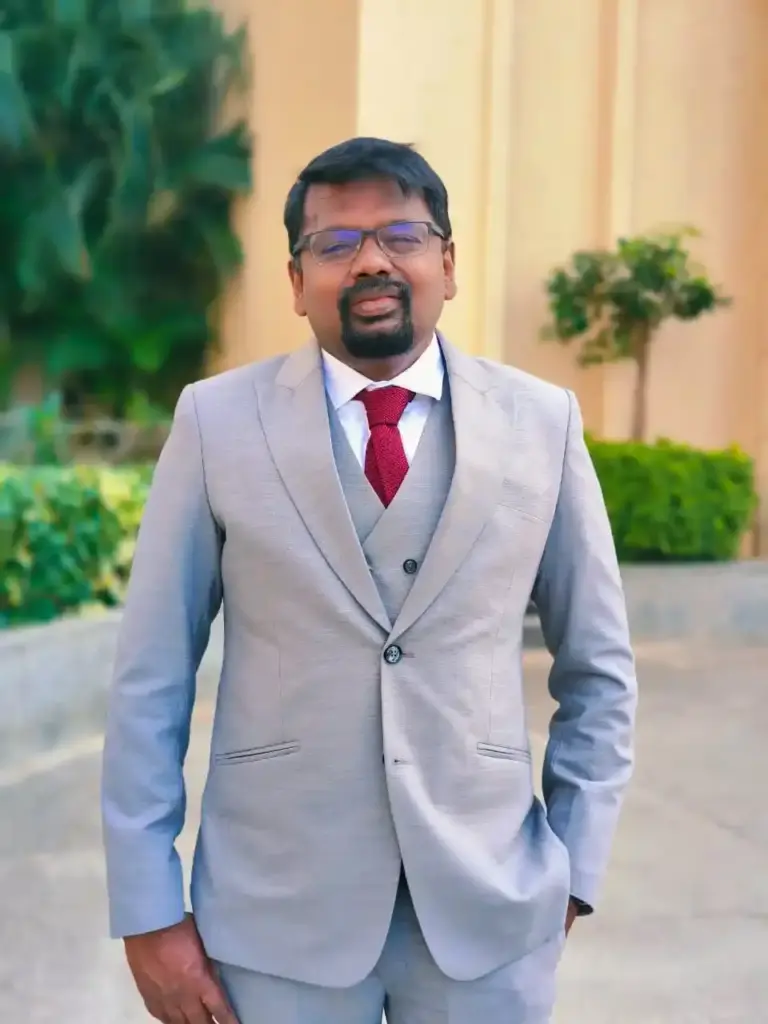
Dr. Magnus Jayaraj Mansard is a Surgical Gastroenterologist and Liver Transplant Surgeon in Chennai, with expertise in liver transplantation, HPB (hepato-pancreato-biliary) surgery, advanced laparoscopic surgery, and gastrointestinal conditions. His clinical focus includes diseases of the liver, pancreas and bile ducts, along with selected gastrointestinal cancers and bariatric procedures.
What Does a Liver Transplant Surgeon Do?
A liver transplant surgeon is a specialist involved in the surgical care of patients being evaluated for or undergoing liver transplantation. The care pathway may include assessment for transplant, surgical planning, the transplant procedure, and follow-up after transplantation.
For patients looking for a liver transplant surgeon in Chennai, it is important to consider specialist training, experience in liver and HPB surgery, transplant-related expertise, and access to appropriate multidisciplinary care. Dr. Magnus Jayaraj Mansard’s areas of expertise include liver transplantation, liver surgery, HPB surgery, biliary surgery, pancreas surgery, and advanced laparoscopic surgery.
Watch Dr. Magnus Jayaraj Mansard explain liver transplantation in simple terms, including when it may be required and how the procedure works. Get insights into the transplant process, risks, recovery, and what patients can expect.
When Should You See a Liver Transplant Surgeon?
Consider a consultation if you or your doctor are concerned about any of the following:
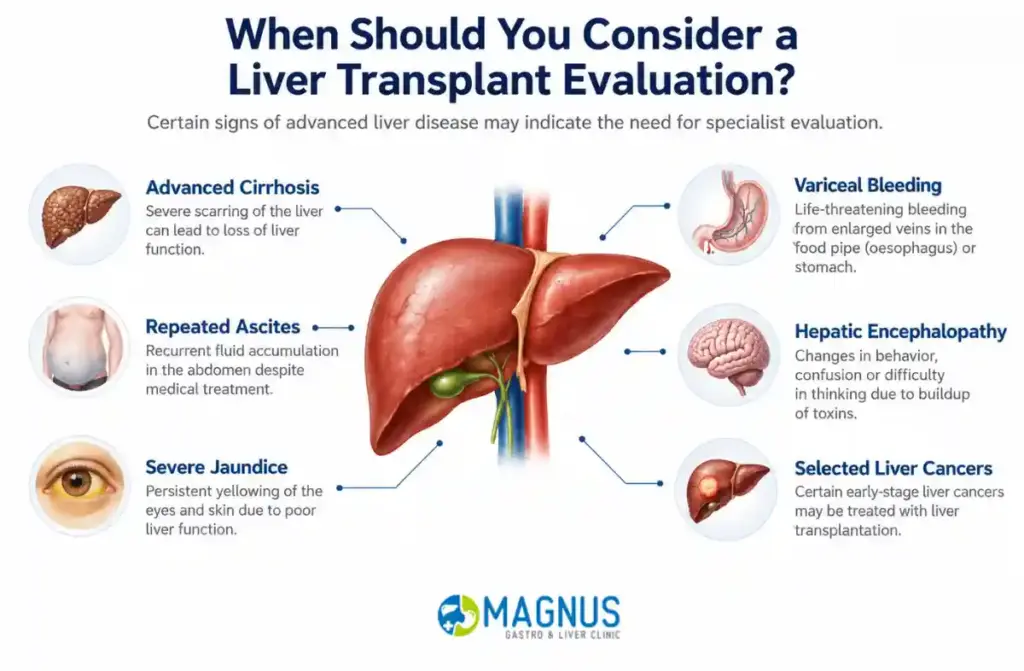
- Cirrhosis that is advanced or worsening, whether caused by hepatitis B or C, alcohol, fatty liver disease, autoimmune liver disease or other causes
- Complications of liver disease, such as fluid in the abdomen (ascites), bleeding from swollen veins in the food pipe, confusion (hepatic encephalopathy), or jaundice that keeps returning
- Acute liver failure, where the liver suddenly stops working. This is an emergency and needs urgent hospital care
- Liver cancer (such as hepatocellular carcinoma) in a patient who may qualify for surgery or transplant
- Bile duct and biliary diseases that damage the liver over time
- A need for a second opinion on whether surgery or transplant is the right option
About the Doctor
Dr. Magnus Jayaraj Mansard is a Surgical Gastroenterologist and Liver Transplant Surgeon in Chennai with 20+ years of experience. His expertise includes liver transplantation, HPB surgery, liver surgery, pancreatic and biliary surgery, advanced laparoscopic surgery, and GI oncology.
He has undergone specialist training in Surgical Gastroenterology, HPB surgery, and Liver Transplantation at institutions including JIPMER, SGPGI Lucknow, AIG Hyderabad, and Indraprastha Apollo Hospital/CLBS, New Delhi. His professional training also includes international observerships at Asan Medical Center, Seoul, and Hopital Beaujon, France, along with clinical research training at Harvard Medical School.
His liver transplant expertise includes living-donor and deceased-donor transplantation, transplant evaluation and follow-up. He currently consults at GEM Hospital, Perungudi, and Magnus Gastro & Liver Clinic in the OMR/Navalur/Egattur area of Chennai.
Research & Publications
Dr. Magnus Jayaraj Mansard has contributed to research in gastrointestinal surgery, pancreatic diseases, minimally invasive surgery, and liver transplantation. Selected publications include:
- 2007 – Research on endocytoscopy for the intraoperative diagnosis of carcinoma in chronic pancreatitis.
- 2008 – Clinical research on oral feeding in patients with mild acute pancreatitis.
- 2009 – Publication on the applications and limitations of single-port surgery.
- 2011 – Research on vascular anatomy in strictured small bowel.
- 2012 – Research on intraoperative pancreatoscopy for assessing resection margins in IPMN.
- 2019 – Publications on liver transplantation, including liver-preservation solutions and telemedicine-supported transplantation programmes.
These publications demonstrate academic involvement across pancreatic disease, gastrointestinal surgery, minimally invasive techniques, and liver transplantation.
Liver Transplant Treatments & Services
Dr. Magnus Jayaraj Mansard provides specialist care related to liver transplantation, with expertise in both living-donor and deceased-donor liver transplantation.
- Liver Transplant Evaluation: Assessment of patients who may require liver transplantation and specialist review of their condition.
- Living-Donor Liver Transplantation: Surgical treatment involving transplantation of a liver portion from a suitable living donor.
- Deceased-Donor Liver Transplantation: Liver transplantation using an organ from a deceased donor when appropriate.
- Liver Transplant Surgical Planning: Specialist assessment and planning as part of the transplant pathway.
- Pre-Transplant Evaluation: Clinical assessment to determine whether transplant evaluation may be appropriate.
- Post-Transplant Follow-Up: Specialist follow-up after liver transplantation.
- Liver Surgery: Surgical management of selected liver diseases and tumours that may require specialist liver surgery.
Dr. Magnus Jayaraj Mansard’s specialist training in HPB surgery and liver transplantation, together with his experience in liver surgery, supports the management of patients requiring specialist assessment for complex liver conditions and transplantation.
Who May Need a Liver Transplant?
Liver transplantation may be considered for selected patients with severe or irreversible liver disease when the liver can no longer perform its essential functions adequately.
Potential indications may include:
- End-stage liver disease
- Decompensated cirrhosis
- Certain cases of acute liver failure
- Selected liver cancers
- Certain other severe or irreversible liver conditions
Whether transplantation is appropriate depends on individual clinical assessment. A transplant specialist can evaluate the patient’s condition and discuss available treatment options.
What Happens During a Liver Transplant Evaluation?
The evaluation process varies according to the patient’s condition, but it may involve several stages.
- Review of Medical History: The specialist reviews the underlying liver disease, previous treatments, medications and relevant medical history.
- Clinical Assessment: The patient’s general health and the severity of liver disease are assessed.
- Blood Tests and Investigations: Laboratory investigations and other tests may be required to assess liver function and overall health.
- Imaging and Specialist Investigations: Imaging studies and other investigations may be used to evaluate the liver, blood vessels, bile ducts and other relevant structures.
- Assessment for Transplantation: The medical team considers whether transplantation may be an appropriate treatment option based on the patient’s clinical condition and other relevant factors.
- Discussion of Treatment Options: Patients and families can discuss the potential benefits, risks and alternatives to transplantation or other surgical treatments with the specialist team.
Consultation Location in Chennai
Dr. Magnus Jayaraj Mansard provides specialist consultations in Chennai for patients seeking evaluation and treatment for liver, pancreatic, biliary, gastrointestinal, and HPB conditions. His consultation locations include GEM Hospital, Perungudi, and Magnus Gastro & Liver Clinic in the OMR/Navalur/Egattur area.
Patients can choose the appropriate consultation location based on their requirements and confirm the latest clinic timings, availability, and appointment details before visiting.
Why choose Dr. Magnus jayaraj?
For patients looking for specialist care for liver, pancreas, biliary, or gastrointestinal conditions, factors such as specialist training, clinical focus, research background, and accessibility can help when evaluating a surgeon.
- Specialist Expertise: His clinical focus includes surgical gastroenterology, liver transplantation, and HPB surgery, covering conditions of the liver, pancreas, and biliary system.
- Advanced Specialist Training: His training includes Surgical Gastroenterology, HPB surgery, and liver transplantation, along with international observations in Seoul and France.
- Liver Transplantation: His practice includes living-donor and deceased-donor liver transplantation, including evaluation, surgery, and follow-up.
- Research & Academic Work: His publications cover pancreatic disease, gastrointestinal surgery, minimally invasive surgery, and liver transplantation.
- Consultation in Chennai: Consultation locations listed in his profile include GEM Hospital, Perungudi, and Magnus Gastro & Liver Clinic in the OMR/Navalur/Egattur area.
Conclusion
Dr. Magnus Jayaraj Mansard’s has specialist training in Surgical Gastroenterology, HPB surgery, and liver transplantation, along with experience in advanced laparoscopic surgery and academic research.
Patients seeking specialist care for liver, pancreas, biliary, or gastrointestinal conditions can review his areas of expertise and consultation locations in Chennai. A consultation can help patients understand their diagnosis, available treatment options, and whether surgical or transplant evaluation may be appropriate for their condition.
To discuss your condition and explore the appropriate treatment options, schedule a consultation with Dr. Magnus Jayaraj Mansard in Chennai.
Also Read as, Hepato Pancreatico Biliary Surgeon in Chennai