Medically reviewed by Dr. Magnus Jayaraj Mansard, Specialist in Liver Transplantation, HPB Surgery and Surgical Gastroenterology. Last medically reviewed on September 2026.
Life after a liver transplant brings a new set of questions, and food is often one of the first concerns.
What can I eat after a liver transplant? Do I need a special diet? Which foods should I avoid? Can normal food harm my new liver?
There is no single diet that works for every liver transplant recipient. Your nutritional needs can change depending on how recently you had surgery, your medications, kidney function, blood sugar, weight, appetite, infections and other health conditions.
During the early recovery period, the body needs enough energy and protein to heal after major surgery and rebuild lost muscle. At the same time, immunosuppressant medicines make food safety especially important because they reduce the body’s ability to fight certain infections.
As recovery progresses, the focus gradually shifts toward maintaining a healthy weight, controlling blood pressure and blood sugar, supporting bone and heart health, and protecting the transplanted liver for the long term. This guide explains the key principles of a diet after liver transplant, including foods to eat, foods to avoid, food safety and long-term nutrition.
Why Is Diet Important After a Liver Transplant?
A liver transplant replaces a severely damaged liver, but surgery is only the beginning of recovery.
In the weeks and months following transplantation, your body is healing from a major operation. Some people may have lost weight and muscle before surgery because advanced liver disease can affect appetite, digestion and nutritional status.
Nutrition therefore has several jobs after transplantation.
During early recovery, adequate food intake helps support wound healing, muscle recovery and energy needs. Later, a healthy eating pattern becomes important for maintaining an appropriate body weight and reducing risks such as high blood pressure, diabetes, abnormal cholesterol and cardiovascular disease.
There is another important issue: food safety.
Liver transplant recipients take immunosuppressant medicines to reduce the risk of organ rejection. Because these medicines suppress parts of the immune response, infections from contaminated food can potentially become more serious.
That means a good post-transplant diet is not simply about choosing “healthy foods.” It is also about choosing, preparing, cooking and storing food safely.
What Should You Eat After a Liver Transplant?
Your exact meal plan should be based on your medical condition and stage of recovery. In general, meals can include a combination of protein, vegetables, fruit, whole grains or other complex carbohydrates, healthy fats and pasteurized dairy products or suitable alternatives.
1. Include Protein in Your Meals
Protein is particularly important during recovery because the body needs it for tissue repair and maintaining muscle.
Depending on what your transplant dietitian recommends, protein sources may include:
- Well-cooked fish
- Well-cooked chicken or other lean meats
- Fully cooked eggs
- Dal and pulses
- Beans and lentils
- Tofu
- Pasteurized milk
- Pasteurized curd or yoghurt
- Paneer prepared from pasteurized milk
- Other appropriate dairy products
Some patients require more protein during early recovery than they will need later. Your transplant team can determine how much is appropriate based on your body weight, kidney function and nutritional status.
2. Choose Whole or Minimally Processed Carbohydrates
Carbohydrates provide energy, but the type and quantity matter.
Where appropriate, choose foods such as:
- Oats
- Brown rice
- Whole-wheat chapati
- Millets
- Whole-grain bread
- Vegetables
- Beans and pulses
These foods generally provide more fibre and nutrients than heavily refined or highly processed alternatives. Patients who develop high blood sugar after transplantation may need additional carbohydrate guidance.
3. Eat Fruits and Vegetables Safely
Fruits and vegetables provide fibre, vitamins and minerals and can form an important part of long-term healthy eating.
However, food hygiene matters after transplantation.
Wash fresh produce thoroughly under clean running water before cutting, peeling or eating it. Avoid visibly spoiled produce and be cautious with pre-cut foods, open salad bars or food that may have been sitting at unsafe temperatures.
Some fruits can also interact with transplant medications, so not every fruit is automatically suitable.
4. Choose Healthier Sources of Fat
Long-term transplant care also involves protecting cardiovascular health.
Where suitable, healthier fat sources can include:
- Nuts and seeds
- Olive or other unsaturated vegetable oils
- Well-cooked oily fish
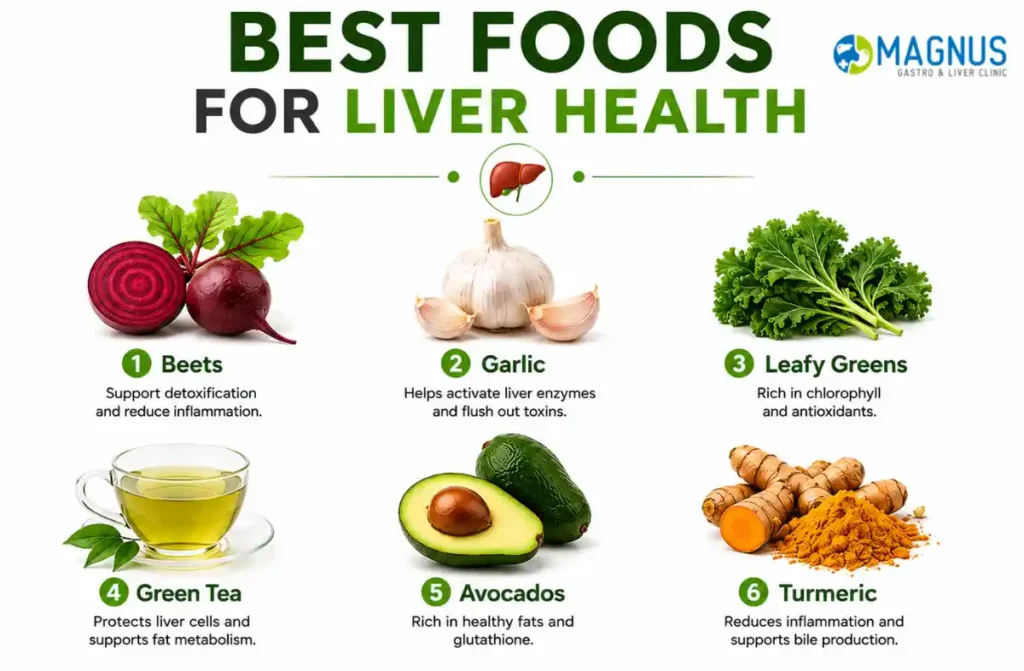
- Avocado
Try to limit frequent intake of foods high in saturated or trans fats, including deep-fried foods, pastries, heavily processed snacks and large amounts of foods rich in saturated fat.
5. Include Calcium-Rich Foods
Bone health deserves attention after liver transplantation because some transplant recipients have pre-existing bone loss, and certain medicines can further affect bone health.
Suitable calcium sources may include pasteurized milk, curd or yoghurt, certain cheeses and calcium-fortified alternatives. Whether you need vitamin D or calcium supplementation should be decided from your medical assessment rather than started routinely on your own.
Diet During the First Few Weeks After Liver Transplant
The nutritional priorities immediately after surgery can be quite different from those several months later.
Early recovery usually focuses on:
- Healing: The body needs adequate calories, protein, vitamins and minerals while recovering from surgery.
- Rebuilding muscle: People with advanced liver disease may have lost considerable muscle before transplantation. Eating adequate protein alongside medically approved physical rehabilitation can help recovery.
- Managing poor appetite: Appetite may not immediately return to normal. Nausea, altered taste, medicines and fatigue can make larger meals difficult. In this situation, smaller meals spread throughout the day may be easier than forcing yourself to eat three large meals.
- Food safety: Because immunosuppressive medication levels are often higher during early recovery, avoiding foodborne infection becomes particularly important.
Your transplant dietitian may therefore give you stricter food-safety instructions during this period.
Foods to Avoid After Liver Transplant
One of the biggest search concerns for patients is what not to eat after liver transplant. Restrictions can differ according to medication and transplant-centre protocol, but several areas deserve particular attention.
Grapefruit and Certain Related Fruits
Grapefruit can interact with some transplant medicines by changing how the body processes them. This can alter medicine levels in the bloodstream. Depending on your medication, your transplant team may also advise avoiding foods such as:
- Grapefruit
- Grapefruit juice
- Pomelo
- Seville oranges
- Products containing these fruits
Some transplant guidance also advises avoiding pomegranate because of potential interactions. Do not assume that a fruit is safe simply because it is natural. Ask your transplant pharmacist or transplant team which foods interact with your specific medicines.
Raw or Undercooked Animal Foods
Foodborne infections can be more dangerous when your immune system is suppressed. Avoid foods your transplant team identifies as high risk, particularly:
- Raw or undercooked meat
- Raw fish and sushi
- Raw shellfish
- Undercooked eggs
- Unpasteurized milk
- Products made with unpasteurized dairy
- Foods prepared under questionable hygiene conditions
Meat, fish and eggs should be cooked thoroughly according to food-safety recommendations.
Unhygienic or Poorly Stored Food
The place where food comes from matters almost as much as the food itself.
Be especially cautious with:
- Open buffets
- Salad bars
- Food kept at room temperature for long periods
- Unrefrigerated dairy products
- Food with expired use-by dates
- Food from outlets where hygiene or temperature control is uncertain
The transplant team’s recommendations about eating outside the home may be stricter during the first several months.
Excess Salt
Some transplant medicines can contribute to high blood pressure or fluid-related problems. Instead of automatically following an arbitrary sodium target, ask your healthcare team whether you require a specific restriction.
A practical approach is to reduce highly salted and heavily processed foods such as packaged snacks, instant foods, pickles in large quantities, processed meats and fast foods. Flavour meals with herbs, spices and other ingredients approved by your transplant team instead.
Excess Added Sugar
Some transplant recipients develop elevated blood glucose or post-transplant diabetes.
Frequently consuming sweets, sugary drinks, desserts and highly refined foods can make blood glucose and weight management more difficult.
If your blood glucose is elevated, your doctor and dietitian can create an individualized eating plan.
Food Safety After Liver Transplant
Food safety deserves its own section because it is one of the biggest differences between ordinary healthy eating and eating after an organ transplant.
Immunosuppressant medicines protect the transplanted liver from rejection, but they also make some infections harder for the body to fight. Simple kitchen habits can significantly reduce exposure to harmful microorganisms.
Follow these basic precautions:
- Wash your hands thoroughly before preparing or eating food.
- Wash fruits and vegetables before cutting or eating them.
- Keep raw meat separate from ready-to-eat foods.
- Use separate utensils or cutting boards when necessary to prevent cross-contamination.
- Cook meat, poultry, fish and eggs thoroughly.
- Refrigerate perishable food promptly.
- Keep the refrigerator at a safe temperature.
- Reheat food thoroughly and follow your transplant team’s guidance regarding leftovers.
- Check use-by dates.
- Avoid foods that smell unusual, look spoiled or have been stored incorrectly.
- Take extra precautions when eating at restaurants, buffets or while travelling.
Food restrictions may be stricter when immunosuppressant doses are high. Your transplant team can tell you when, or whether, particular restrictions can be relaxed.
Can You Eat Indian Food After a Liver Transplant?
- Yes. A healthy post-transplant diet does not require abandoning familiar Indian food. The bigger issue is how the food is prepared.
- For example, meals could include combinations such as well-cooked dal, vegetables, chapati, rice, curd made from pasteurized milk, thoroughly cooked fish or chicken, and properly washed fruit.
- Instead of thinking in terms of “liver detox foods,” focus on balanced meals, adequate protein, safe food preparation and portion control.
- Deep-fried foods, sweets, highly salted foods and heavily processed foods are better kept occasional rather than forming the foundation of the diet. There is no special juice, herb or superfood that can replace transplant medicines or medically supervised follow-up.
A Simple Post-Liver Transplant Plate
Once you are eating normally and your transplant team has not prescribed a special diet, a balanced meal can generally be built around:
- Vegetables and fruit: Include a variety across the day, prepared safely.
- Protein: Add well-cooked fish, chicken, eggs, dal, beans, tofu or another suitable protein.
- Carbohydrates: Choose rice, chapati, oats, millets or other whole-grain options where appropriate.
- Healthy fats: Use moderate amounts of unsaturated oils, nuts or seeds if medically suitable.
Your actual proportions may need adjustment if you have diabetes, kidney problems, high potassium, poor appetite, significant weight loss or other medical concerns.
What About Water and Other Drinks?
Hydration is important, but there is no universal fluid target for every liver transplant recipient. Your requirements can change depending on kidney function, medications, blood pressure and other health conditions.
Water is generally preferable to sugar-sweetened beverages. If your doctor has prescribed a fluid restriction or specific fluid goal, that medical advice takes priority over general recommendations.
Can You Drink Alcohol After Liver Transplant?
Alcohol recommendations need to be individualized.
If the transplant was required because of alcohol-related liver disease, abstinence is generally required. For other transplant recipients, recommendations may depend on the reason for transplantation, overall health and transplant-centre policy.
Do not restart alcohol simply because liver tests have returned to normal. Discuss it directly with your transplant team because protecting the transplanted liver is the priority.
Supplements and Herbal Products After Liver Transplant
“Natural” does not automatically mean safe after transplantation.
Herbal products, traditional remedies, bodybuilding products and dietary supplements can interact with transplant medicines or affect the liver and kidneys.
This is particularly important because immunosuppressant medicine levels often need to remain within a carefully controlled range.
Before taking any:
- Herbal medicine
- Ayurvedic preparation
- Protein supplement
- Multivitamin
- Weight-loss supplement
- Detox product
- Sports supplement
show the exact product and ingredients to your transplant physician, pharmacist or dietitian. Never use a supplement as a substitute for prescribed transplant medication.
How Does the Diet Change Long-Term?
Your diet after liver transplant should evolve as your recovery progresses. During early recovery, the priority may be getting enough nutrition and protein to heal.
Once your wounds are healing, appetite has improved and your weight is stable, the focus usually shifts toward long-term metabolic and cardiovascular health.
That means paying attention to:
- Healthy body weight
- Blood pressure
- Blood glucose
- Cholesterol and triglycerides
- Bone health
- Kidney health
- Physical activity
- Food safety
Long-term eating patterns generally emphasize vegetables, fruits, whole grains, legumes, lean protein and healthier fats while limiting excessive salt, added sugar, saturated fat and highly processed foods.
Why Weight Gain After Liver Transplant Needs Attention
Weight gain can occur after transplantation. Appetite may improve dramatically when chronic liver disease resolves, while medicines such as corticosteroids can also affect appetite and metabolism.
The goal is not aggressive dieting immediately after surgery.
Early recovery requires adequate nutrition. Once recovery is established, however, unnecessary weight gain should be addressed because obesity and metabolic problems can increase cardiovascular risk and may contribute to fat accumulation in the transplanted liver.
Regular weight monitoring and follow-up with a transplant dietitian can help identify changes early.
When Should You Speak to Your Transplant Team About Your Diet?
Do not wait for the next routine appointment if you are unable to eat or drink normally. Contact your transplant team if you develop persistent:
- Vomiting
- Diarrhoea
- Poor appetite
- Difficulty keeping medicines down
- Unexplained weight loss
- Rapid weight gain or swelling
- Fever
- Significant abdominal symptoms
- Signs of dehydration
Vomiting or diarrhoea can be particularly important because they may affect hydration and the absorption or blood levels of transplant medicines. Do not independently stop or change immunosuppressant medication because you are unable to eat.
Diet After Liver Transplant: The Key Takeaway
A healthy diet after liver transplant is not about following a restrictive “liver cleanse” or finding one perfect food.
During early recovery, your body needs enough nutrition, particularly adequate protein and energy, to heal and regain strength. Because immunosuppressant medicines reduce immune activity, safe food preparation and avoiding high-risk foods are also essential.
As recovery progresses, nutrition should increasingly focus on maintaining a healthy weight and reducing the risk of diabetes, high blood pressure, abnormal cholesterol, cardiovascular disease and other long-term complications.
Most importantly, your diet needs to work alongside your transplant medicines, not against them.
Your transplant surgeon, physician, pharmacist and dietitian should therefore be your primary sources for decisions about food restrictions, supplements, medication interactions and individualized nutritional requirements.
Read more: How To Detox Your Liver Naturally