A properly functioning liver plays a vital role in digestion, removing toxins from the body, and maintaining overall health. When severe liver disease or liver failure affects its ability to function, a liver transplant may become the most effective treatment option. Consulting a Best Liver Transplant Surgeon in Perungudi ensures access to advanced diagnostic evaluation, expert surgical care, and comprehensive post-transplant support. With Chennai being a leading center for liver transplantation, patients in and around Perungudi can benefit from world-class treatment and improved long-term outcomes. Whether facing chronic liver disease or an urgent liver condition, timely specialist care can make a significant difference.
About Liver Transplant Surgery
Liver transplant surgery is a life-saving procedure performed when the liver is severely damaged and can no longer function properly. During the surgery, the diseased liver is replaced with a healthy liver from either a living donor or a deceased donor. It is commonly recommended for patients with end-stage liver disease, liver failure, or certain types of liver cancer. A successful liver transplant can restore normal liver function, improve quality of life, and significantly increase long-term survival. Consulting the Best Liver Transplant Doctor in Velachery can help patients receive timely evaluation and expert guidance for advanced liver care.
- What is a Liver Transplant: A liver transplant involves surgically removing a damaged liver and replacing it with a healthy donor liver. The procedure helps restore normal liver function and improve overall quality of life.
- When is a Liver Transplant Needed: A liver transplant may be necessary when the liver is severely damaged due to conditions such as cirrhosis, liver failure, or liver cancer. It becomes the best treatment option when medications and other therapies can no longer control the disease.
- Importance of Early Diagnosis: Early diagnosis allows doctors to monitor liver disease progression and determine the right time for transplantation. Timely intervention can improve surgical outcomes and increase the chances of a successful recovery.
Liver Transplant Surgeon in Perungudi
- Qualifications: MBBS, MS in General Surgery, DNB in Surgical Gastroenterology, MRCS (UK).
- Experience: 17+ years in treating liver, pancreas surgery, and biliary diseases, with a specialization in liver transplantation.
He is highly regarded for his expertise in advanced laparoscopic surgeries in the field of gastroenterology and hepato-pancreato-biliary care, delivering accurate and minimally invasive treatment solutions. His clinical approach is focused on effectively treating both malignant and benign digestive system disorders.
Patients receive the advantage of modern minimally invasive procedures that help minimize postoperative discomfort and support quicker recovery. With a strong commitment to quality care, he heads the Magnus Gastro and Liver Clinic in Chennai, offering advanced, compassionate, and patient-centered treatment.

When to Consult a Liver Transplant Surgeon in Perungudi
Many patients wait far too long before seeking expert hepatology care, often dismissing early symptoms as fatigue or digestive issues. Knowing when to consult a liver transplant surgeon in Perungudi can prevent irreversible damage and improve treatment outcomes significantly. You should schedule a consultation if you or a loved one are experiencing any of the following:
- Advanced liver cirrhosis: particularly when associated with complications such as internal bleeding (variceal haemorrhage), fluid retention, or poor synthetic function
- Acute or chronic liver failure: sudden deterioration or progressive worsening of liver function that does not respond to medications
- Primary liver cancer (hepatocellular carcinoma or HCC): especially when detected at an early stage where transplantation offers a curative option
- Severe hepatitis B or hepatitis C complications: including chronic active hepatitis progressing toward fibrosis and cirrhosis
- Non-response to medical treatment: when standard drugs, dietary interventions, and other therapies fail to halt disease progression
If you are in the Velachery, Thiruvanmiyur, or Perungudi areas of Chennai, consulting the Best Liver Transplant Doctor in Velachery can provide you with convenient access to advanced specialist care without the need to travel long distances.
Symptoms of Severe Liver Damage
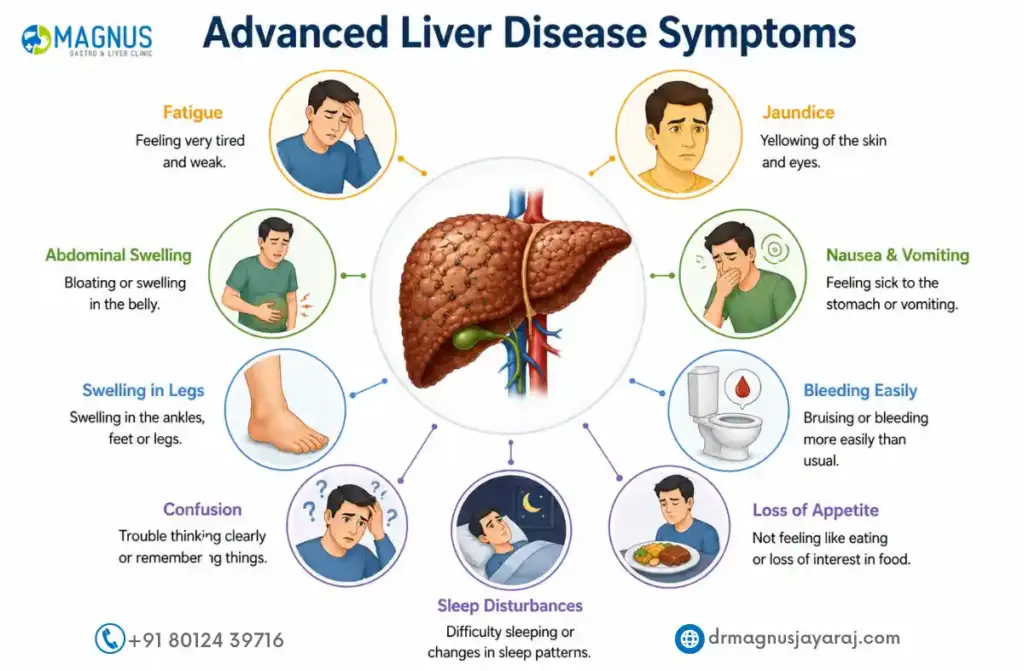
The liver is highly resilient and can continue functioning even after sustaining significant damage. However, symptoms often become noticeable only when the disease has already reached an advanced stage. Therefore, identifying warning signs at an early stage is essential for timely treatment and better outcomes. Consulting the Best Liver Transplant Surgeon in Thiruvanmiyur can help ensure early evaluation and appropriate medical guidance.
- Jaundice: Yellowing of the skin and whites of the eyes, caused by a build-up of bilirubin, a waste product the liver normally processes
- Ascites: Abnormal accumulation of fluid in the abdominal cavity, causing uncomfortable bloating and a visibly swollen belly
- Extreme fatigue: Persistent, debilitating tiredness that does not improve with rest, often linked to poor liver metabolism and toxin accumulation
- Loss of appetite and unexplained weight loss: Reduced interest in food, nausea, and unintentional weight reduction
- Hepatic encephalopathy: Cognitive confusion, mood changes, memory lapses, and in severe cases, loss of consciousness, caused by toxins the diseased liver can no longer filter
- Easy bruising and prolonged bleeding: A result of decreased production of clotting proteins by the liver
If you notice these symptoms, it is important to seek timely medical attention from a Liver Transplant Surgeon in Thiruvanmiyur for proper evaluation and advanced liver care.
Liver Conditions Treated
- Liver Cirrhosis: Liver cirrhosis occurs when healthy liver tissue is gradually replaced by scar tissue, affecting the liver’s ability to function properly. In advanced stages, complications such as liver failure and portal hypertension may develop, making a liver transplant necessary.
- Fatty Liver Disease (NAFLD/NASH): Non-Alcoholic Fatty Liver Disease (NAFLD) is caused by excess fat buildup in the liver, often linked to obesity and diabetes. If inflammation develops and progresses to NASH, it can lead to cirrhosis and eventually require liver transplantation.
- Hepatitis B & C: Hepatitis B and C are viral infections that cause chronic liver inflammation and damage over time. If left untreated, they can lead to cirrhosis, liver failure, or liver cancer, increasing the need for a liver transplant.
- Liver Cancer (Hepatocellular Carcinoma): Hepatocellular carcinoma (HCC) is the most common type of liver cancer and often develops in patients with chronic liver disease. For eligible patients, a liver transplant can remove both the cancer and the damaged liver.
- Acute Liver Failure: Acute liver failure is a sudden loss of liver function that can occur due to infections, medications, or toxins. It is a medical emergency that often requires immediate evaluation and, in severe cases, urgent liver transplantation.
Types of Liver Transplant Procedures
- Living Donor Liver Transplant (LDLT): A Living Donor Liver Transplant involves a healthy donor, usually a close family member, donating a portion of their liver to the recipient. The liver has the unique ability to regenerate, allowing both the donor’s and recipient’s liver tissue to grow back to normal size over time. This option often reduces waiting time and improves access to timely treatment.
- Deceased Donor Liver Transplant (DDLT): In a Deceased Donor Liver Transplant, the liver is obtained from a brain-dead donor whose family has consented to organ donation. Patients are placed on a transplant waiting list and organs are allocated based on medical urgency and compatibility. This procedure offers a life-saving option for individuals without a suitable living donor.
- Split Liver Transplant: A Split Liver Transplant is a specialized procedure where a single donor liver is divided into two portions and transplanted into two different recipients. This approach helps maximize the use of available donor organs and is commonly used to benefit both adult and pediatric patients. It requires advanced surgical expertise and careful recipient selection.
Liver Transplant Evaluation Process
Before being listed for a liver transplant, every patient undergoes a thorough multi-disciplinary evaluation. This process helps determine whether transplantation is medically appropriate, identify potential surgical risks, and ensure there are no contraindications such as active infection or untreated malignancy elsewhere in the body. If you are seeking expert guidance, consulting a liver transplant Surgeon in Thiruvanmiyur can help ensure timely assessment, accurate diagnosis, and appropriate treatment planning. The evaluation typically includes:
- Comprehensive blood tests and liver function tests (LFTs): including assessments of bilirubin, albumin, INR, creatinine, and MELD score (Model for End-Stage Liver Disease), which determines waitlist priority
- Imaging studies: CT scan, MRI, and ultrasound with Doppler to assess liver size, vascular anatomy, tumour burden, and portal blood flow
- Cardiac evaluation: echocardiography and stress testing to ensure the heart can withstand the demands of major surgery
- Donor compatibility testing: blood grouping, cross-matching, liver volumetry (especially for living donors), and donor-specific antibody testing
- Psychological and social assessment: evaluating the patient’s mental health, social support system, understanding of post-transplant commitments, and ability to comply with long-term medication
Liver Transplant Surgery Procedure
Liver transplantation is one of the most complex surgical procedures performed in modern medicine, typically lasting between 6 and 12 hours depending on the patient’s condition and anatomy.
- Pre-surgery preparation: Patients are admitted 24–48 hours before the procedure for blood tests, IV line placement, and bowel preparation. The anaesthesia team assesses airway and cardiovascular status
- Hepatectomy (removal of the diseased liver): The surgeon carefully dissects and removes the native liver while maintaining haemodynamic stability through meticulous vascular control
- Implantation of the donor liver: The new liver is placed and connected to the recipient’s hepatic vessels (portal vein, hepatic artery, and hepatic vein) and bile duct in a precise sequence to restore blood flow and biliary drainage
- ICU monitoring: Right after the surgery, the patient is shifted to the intensive care unit (ICU) for close observation. During the first 48–72 hours, doctors continuously monitor liver performance, blood pressure, kidney function, and immune response to ensure stable recovery.
Recovery After Liver Transplant
Recovery from liver transplantation is a gradual journey that unfolds over months. While the physical surgery is transformative, the post-operative phase requires equal commitment from both the patient and the medical team.
- Hospital stay: Most patients spend 2–3 weeks in hospital, including time in the ICU and a step-down ward. Early mobilisation is encouraged to prevent complications such as deep vein thrombosis
- Immunosuppressive medications: To prevent the immune system from rejecting the new liver, patients take lifelong immunosuppressants such as tacrolimus, mycophenolate mofetil, and prednisolone. Regular drug level monitoring is essential
- Diet and lifestyle: A transplant dietitian guides patients through a high-protein, low-sodium, heart-healthy diet in the early months. Alcohol is permanently contraindicated. A gradual resumption of physical activity is recommended, but only with proper medical guidance and supervision to ensure safe recovery.
- Follow-up schedule: In the first year, outpatient visits are frequent sometimes weekly in the initial months — transitioning to monthly and then quarterly appointments. Blood tests at every visit track liver function and drug levels
- Long-term outlook: With good adherence to medications and lifestyle changes, most liver transplant recipients live productive, fulfilling lives for 20 years or more. Regular surveillance for late complications, including de novo malignancy and metabolic issues, is maintained
Why Choose Dr. Magnus Jayaraj
Choosing the right liver transplant surgeon is a crucial step in achieving the best possible treatment outcome. Dr. Magnus Jayaraj, the Best Liver Transplant Surgeon in Perungudi, is known for his expertise in managing complex liver diseases and performing advanced liver transplant procedures with a patient-centered approach. Physical activity should be reintroduced slowly after recovery, and it must be done under strict medical supervision. This helps ensure the body heals properly while avoiding any strain or complications during the recovery phase.
- Experienced Liver Specialist: Dr. Magnus Jayaraj has extensive experience in liver transplantation and hepatobiliary surgery. His expertise includes evaluating and treating patients with advanced liver disease, liver failure, and liver cancer.
- Advanced Surgical Technologies: Modern liver transplant procedures utilize advanced surgical techniques to improve precision and patient safety. Minimally invasive approaches, when appropriate, can help reduce recovery time and post-operative discomfort.
- Multidisciplinary Liver Care Team: Patients receive coordinated care from a team of specialists, including hepatologists, radiologists, anesthesiologists, nutritionists, and transplant coordinators. This collaborative approach ensures comprehensive treatment before, during, and after transplantation.
- Modern Transplant Infrastructure: Access to advanced diagnostic facilities, specialized liver ICUs, and transplant support services helps deliver high-quality care. Modern infrastructure plays a vital role in ensuring successful transplant outcomes.
What Our Patients Say
Real experiences from patients who regained mobility and improved their quality of life with expert Gastro care.
“Having recently undergone laparoscopic inguinal hernia surgery with Dr. Magnus Jayaraj Mansard, I can’t express enough gratitude. His expertise was evident from the start, explaining the procedure in a way that made me feel informed and at ease. The surgery itself was seamless, and the recovery has been quick. Dr. Magnus’s skill and compassionate approach have made this journey much more comfortable than I anticipated. I highly recommend him for anyone seeking a skilled surgeon with a caring touch.”
– Suresh kumar
“He is the best doctors tat I have seen.i got so depressed that I am on stage 3 fatty liver and my life is going to end.i didn’t got any hope from my previous doctor.so I went into depression.then I got magnus sir appointment.he told me to take fibro scan and by god’s grace I am in grade 1.he did teleconsultation and told me to reduce weight and not prescribe d any tablet s.may God bless him for ever.praise the lord”
– shapna s
Liver Transplant Cost in Perungudi
The cost of a liver transplant in Chennai is generally more affordable compared to many international destinations while offering advanced medical care and excellent outcomes. The overall expense varies depending on the type of transplant, hospital facilities, and the patient’s medical condition.
- Estimated Cost Range: A liver transplant in Chennai typically costs between ₹18 lakhs and ₹30 lakhs, depending on the complexity of the procedure and post-operative care required.
- Factors Affecting Cost: The total cost may vary based on hospital stay, ICU care, donor surgery, medications, diagnostic tests, and any complications that arise during treatment.
- Insurance and Financial Assistance: Many health insurance plans cover liver transplantation, and eligible patients may also benefit from government schemes and hospital financial assistance programs to help reduce treatment expenses.
Risks and Complications
Like all major surgeries, liver transplantation carries risks and understanding them helps patients make informed decisions and spot problems early during recovery.
- Infection: The immunosuppressive medications needed to prevent rejection also suppress the body’s natural defences, making patients more vulnerable to bacterial, viral (especially CMV and EBV), and fungal infections, particularly in the early post-transplant period
- Organ rejection: Acute rejection, in which the immune system attacks the new liver, occurs in a minority of patients and is usually manageable with steroid pulses or adjusted immunosuppression. Chronic rejection is rarer but more challenging to treat
- Bleeding and vascular complications: Anastomotic (vessel join) complications such as hepatic artery thrombosis or portal vein stenosis can occur and may require urgent radiological or surgical intervention
- Lifelong medication dependency: Immunosuppressants must be taken daily without interruption. Missing doses or stopping treatment without medical advice can trigger rejection episodes even years after transplantation
Regular follow-up with your transplant team allows for early detection and management of these complications before they become serious.
Success Rate of Liver Transplant Surgery
Liver transplantation is one of the most successful organ transplant procedures performed today, with outcomes improving steadily due to advances in surgical technique, immunosuppression protocols, and post-operative care. Consulting an experienced Best Liver Transplant Doctor in Velachery ensures patients receive expert evaluation and access to advanced treatment options.
- General survival rates: At experienced transplant centres in India, one-year patient survival rates routinely exceed 85–90%, while five-year survival rates are typically in the range of 70–80%
- Factors that influence success: Age and general health of the recipient, severity of liver disease at the time of transplantation (MELD score), cause of liver disease, donor liver quality, and centre volume (the number of transplants performed annually)
- The role of post-surgical care: Adherence to immunosuppressive therapy, regular follow-up appointments, dietary compliance, abstinence from alcohol, and prompt reporting of any new symptoms all have a direct, measurable impact on long-term survival
The best transplant outcomes are achieved not just in the operating theatre, but through sustained partnership between the patient and the transplant team over the months and years that follow.
Conclusion
Advanced liver disease can be life-threatening, but timely diagnosis and expert treatment can significantly improve outcomes. Under the care of Dr. Magnus Jayaraj, an experienced Liver Transplant Surgeon in Perungudi, patients receive comprehensive evaluation, advanced surgical expertise, and dedicated post-transplant support. If you or a loved one is facing a serious liver condition, seeking early consultation can help ensure the best possible path to recovery and long-term health.