Medically reviewed by Dr. Magnus Jayaraj Mansard, Specialist in Liver Transplantation, HPB Surgery and Surgical Gastroenterology. Last medically reviewed on September 2026
“Your liver can continue suffering in silence for years — until the warning signs become impossible to ignore.”
Liver failure occurs when the liver becomes severely damaged and can no longer carry out important functions such as removing toxins, processing nutrients, and supporting blood clotting. It may develop gradually due to long-term liver disease or occur suddenly in certain situations.
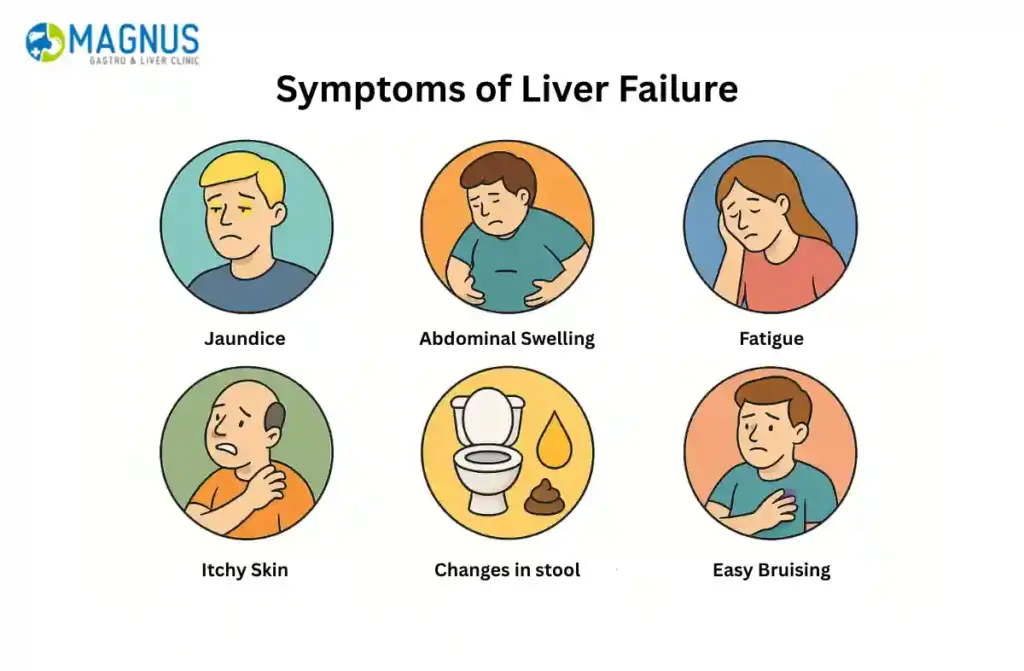
The signs of liver failure can vary depending on the severity of liver damage. Early symptoms may include fatigue, nausea, poor appetite, and weakness, while advanced symptoms can include jaundice, abdominal swelling, dark urine, easy bruising, and confusion.
Because liver disease may progress without obvious warning signs, recognising persistent or worsening symptoms and seeking timely medical evaluation is important.
“What may seem like simple exhaustion or occasional digestive discomfort could actually be your body warning you of serious liver dysfunction.”
Recognizing these warning signs early can make a major difference. In many cases, early diagnosis and treatment may help slow liver damage, improve quality of life, and reduce the risk of life-threatening complications.
What Is Liver Failure?
The liver performs many important functions. It processes nutrients, produces proteins needed for blood clotting, helps remove harmful substances from the blood, supports digestion, stores energy, and produces bile. Liver failure occurs when severe liver damage prevents the organ from carrying out these functions adequately.
There are two main forms:
Acute Liver Failure
- Acute liver failure develops rapidly, usually within days or weeks. It can occur even in someone without previously known liver disease.
- Possible causes include severe drug-related liver injury, viral hepatitis, toxins, autoimmune conditions, and certain other diseases.
- Acute liver failure is a medical emergency and usually requires hospital treatment.
Chronic Liver Failure
- Chronic liver failure develops gradually as liver damage progresses over months or years.
- It is often associated with advanced chronic liver disease and cirrhosis. Long-term liver injury causes scar tissue to replace healthy liver tissue, gradually reducing the liver’s ability to function.
- People may have few noticeable symptoms during earlier stages. More obvious symptoms can develop when liver disease becomes advanced or decompensated.
What Are the Early Signs of Liver Failure?
Early liver disease may cause mild or nonspecific symptoms. These symptoms can also occur with many other health conditions, so they do not automatically mean that your liver is failing.
Medical evaluation may be appropriate when symptoms persist, worsen, occur together, or appear in someone with known risk factors for liver disease.
Constant Fatigue and Weakness
- Persistent fatigue is one of the earliest and most commonly reported symptoms of liver problems.
- When the liver struggles to remove toxins efficiently, the body may begin feeling physically and mentally exhausted. Many people describe this fatigue as a constant feeling of heaviness or low energy that does not improve much with proper sleep or rest.
- Simple activities such as working, climbing stairs, exercising, or completing daily tasks may suddenly feel unusually tiring.
- Unlike ordinary tiredness, liver-related fatigue often lingers for long periods and may also affect concentration, motivation, and mental clarity.
- “If you constantly feel drained or unusually weak without a clear reason, it may be worth paying attention to your liver health.”
- Because fatigue is such a common symptom, many people ignore it for months or even years before seeking medical attention.
Loss of Appetite
- The liver plays a major role in digestion and metabolism. When liver function declines, digestion may become disrupted.
- Many people with liver disease begin losing interest in food. Meals may suddenly feel unappealing, and eating may cause discomfort or fullness.
- Over time, reduced appetite can lead to unhealthy weight loss and nutritional deficiencies.
- Some people may also experience an unusual bitter taste in the mouth or nausea while eating.
- Because the body is not receiving enough nutrients, weakness and fatigue may worsen further.
Nausea and Vomiting
- Persistent nausea is another common early sign of liver dysfunction.
- As toxins accumulate in the bloodstream, the digestive system may become irritated. People often feel sick after meals or experience ongoing stomach discomfort throughout the day.
- In some cases, vomiting may occur frequently, especially as liver disease progresses.
- Many individuals ignore these symptoms because they assume they are related to food poisoning, acidity, stress, or digestive problems. However, persistent nausea lasting for weeks may indicate underlying liver damage and deserves medical evaluation.
Pain or Discomfort in the Upper Right Abdomen
- The liver is located in the upper right side of the abdomen, just beneath the rib cage.
- When the liver becomes inflamed or enlarged, it can create pressure or discomfort in this area. Some people describe the sensation as:
- A dull ache
- Heaviness
- Tightness
- Mild stabbing pain
The discomfort may come and go in the beginning, making it easy to dismiss. However, ongoing pain or pressure in the upper right abdomen may signal worsening liver dysfunction and should be medically evaluated.
Visible Signs of Liver Failure
- As liver damage progresses, symptoms often become more physically noticeable. At this stage, changes may begin affecting the skin, eyes, digestion, and the body’s fluid balance.
- Some warning signs can become visible externally, making them easier to recognize but also more concerning.
- Yellowing of Skin and Eyes (Jaundice)
- Jaundice is one of the clearest and most recognizable signs of serious liver dysfunction.
- The liver normally processes bilirubin, a yellow-colored substance produced during the natural breakdown of red blood cells. When the liver becomes damaged or overwhelmed, bilirubin can build up in the bloodstream.
This buildup may cause:
- Yellowing of the eyes
- Yellow or darkened skin tone
- Dark urine
- Pale-colored stools
Jaundice may develop gradually or appear suddenly depending on the underlying cause of liver damage.
“Even mild yellowing of the eyes can be an important warning sign that deserves medical attention.”
Because jaundice often indicates significant liver stress, prompt evaluation is important to identify the underlying cause and begin treatment if necessary.
Swelling in the Legs and Abdomen
- Liver failure can disrupt the body’s fluid balance.
- When the liver cannot properly regulate proteins and blood flow, fluid may begin accumulating in different parts of the body.
Common symptoms include:
- Swollen feet
- Puffy ankles
- Leg swelling
- Bloated abdomen
Severe abdominal swelling caused by fluid buildup is known as ascites. Ascites can make the stomach appear enlarged and may cause discomfort, breathing difficulty, or pressure. Fluid retention often indicates advanced liver disease and usually requires ongoing medical treatment.
Dark Urine and Pale Stools
- Changes in urine and stool color can also signal liver problems.
- When bile production becomes abnormal, urine may turn dark brown or tea-colored even if the person drinks enough water.
At the same time, stools may appear:
- Pale
- Gray
- Clay-colored
- Light yellow
These changes happen because bile is responsible for giving stool its normal brown color.
Many people overlook these symptoms, but noticeable changes in body waste can provide important clues about liver health and should not be ignored if they continue persistently.
Itchy Skin
- Persistent itching without a visible rash can sometimes indicate liver disease.
- When bile salts accumulate under the skin, they may trigger intense itching sensations. This itching often becomes worse at night and may affect sleep quality.
- People may scratch repeatedly without finding relief.
- Unlike allergic reactions, liver-related itching may not produce obvious redness or skin irritation at first.
- Persistent unexplained itching may indicate underlying liver dysfunction, especially when combined with other symptoms.
Advanced Signs of Liver Failure
As liver function continues declining, symptoms may begin affecting the brain, muscles, circulation, and overall physical functioning. At this stage, the condition can become dangerous and may interfere significantly with everyday life.
- Advanced liver failure can also increase the risk of severe complications that require urgent medical treatment.
- Mental Confusion and Memory Problems
- One of the most dangerous complications of liver failure is hepatic encephalopathy.
- This condition develops when toxins that are normally removed by the liver begin reaching the brain.
Symptoms may include:
- Confusion
- Forgetfulness
- Difficulty concentrating
- Personality changes
- Irritability
- Poor judgment
- Mood swings
In severe cases, people may become disoriented or lose consciousness.
Family members often notice these changes before the affected person realizes something is wrong. Mental confusion associated with liver disease should always be treated as a serious warning sign requiring immediate medical attention.
Easy Bruising and Bleeding
- The liver helps produce proteins responsible for blood clotting.
- When liver function declines, the body may lose its ability to stop bleeding properly.
As a result, people may experience:
- Frequent bruising
- Nosebleeds
- Bleeding gums
- Prolonged bleeding from small cuts
Bruises may appear easily even after minor bumps or injuries.
These symptoms can signal advancing liver disease and should be medically evaluated as early as possible.
Severe Weight Loss and Muscle Wasting
Advanced liver failure affects the body’s ability to absorb nutrients and maintain muscle mass.
Over time, people may experience:
- Rapid weight loss
- Muscle weakness
- Thin arms and legs
- Physical frailty
Even when the abdomen appears swollen due to fluid buildup, muscle loss may still occur throughout the rest of the body. Malnutrition is very common in people with chronic liver disease and can further weaken the body over time.
Extreme Sleepiness or Drowsiness
- As toxin levels increase in the bloodstream, brain function becomes increasingly affected.
- People with advanced liver failure may become unusually sleepy, sluggish, or difficult to wake.
- Some individuals sleep excessively during the day and feel confused at night.
- Severe drowsiness may indicate worsening hepatic encephalopathy and often requires urgent medical care.
Common Causes of Liver Failure
Many different conditions can damage the liver over time.
Alcohol-Related Liver Disease
- Excessive alcohol consumption is one of the leading causes of liver failure worldwide.
- Alcohol damages liver cells and causes inflammation. Over time, repeated damage can lead to fatty liver, alcoholic hepatitis, cirrhosis, and eventually liver failure.
- Research has consistently shown that long-term excessive alcohol consumption greatly increases the risk of cirrhosis, liver cancer, and liver failure. The danger becomes even greater when heavy alcohol use is combined with obesity, smoking, poor nutrition, or viral hepatitis infections.
The risk increases with:
- Long-term heavy drinking
- Daily alcohol use
- Binge drinking patterns
Not everyone develops liver disease at the same rate, but chronic alcohol abuse significantly increases the likelihood of serious liver complications.
Hepatitis Infections
Viral hepatitis infections are another major cause of liver damage.
The most serious types include:
- Hepatitis B
- Hepatitis C
These viruses attack liver cells and may cause long-term inflammation.
Some people live with hepatitis infections for years without symptoms while silent damage continues inside the liver. Without proper treatment, chronic hepatitis can lead to cirrhosis, liver cancer, and liver failure.
Fatty Liver Disease
Fatty liver disease is becoming increasingly common worldwide due to modern lifestyle habits and rising obesity rates. Health experts estimate that nearly one in four adults may have non-alcoholic fatty liver disease (NAFLD), making it one of the fastest-growing liver conditions globally.
NAFLD occurs when excess fat builds up inside the liver. While the condition may not cause symptoms initially, ongoing fat accumulation can eventually trigger inflammation, scarring, and serious liver damage over time.
Major risk factors include:
- Obesity
- Diabetes
- High cholesterol
- Unhealthy diet
- Lack of exercise
In some individuals, fatty liver disease may progress into cirrhosis and eventually liver failure if left untreated.
Because the condition often develops silently, many people remain unaware they have liver damage until symptoms become more advanced.
Drug or Medication Damage
Certain medications and supplements can seriously damage the liver if misused.
Examples include:
- Overuse of painkillers
- Toxic herbal supplements
- Unsafe bodybuilding products
- High doses of certain medications
Acetaminophen overdose is one of the leading causes of acute liver failure in many countries.
Always use medications responsibly and follow medical guidance carefully.
When Should You See a Doctor?
Many liver disease symptoms may seem mild at first, but delaying treatment can be dangerous.
You should seek medical attention if you notice:
- Persistent yellowing of the eyes or skin
- Ongoing nausea or vomiting
- Severe fatigue
- Swelling in the abdomen or legs
- Confusion or memory problems
- Unexplained bruising or bleeding
- Dark urine or pale stools
- Sudden weight loss
“Ignoring liver failure symptoms can delay treatment and increase the risk of serious complications.”
Early diagnosis can make a major difference. Doctors may use blood tests, imaging scans, and liver function tests to identify problems before permanent damage becomes severe.
In some cases, lifestyle changes and medical treatment can slow disease progression and improve long-term quality of life.
How to Protect Your Liver
Although some liver diseases cannot always be prevented, healthy habits can greatly reduce the risk of liver damage.
Healthy Lifestyle Tips:
- Eat Balanced Meals
- A nutritious diet supports liver function and helps reduce inflammation.
Focus on:
- Fruits and vegetables
- Whole grains
- Lean proteins
- Healthy fats
Avoid excessive processed foods, sugary drinks, and unhealthy fats whenever possible.
Limit Alcohol
- Reducing alcohol intake is one of the best ways to protect liver health.
- Heavy drinking places enormous stress on the liver and significantly increases the risk of long-term damage.
Stay Hydrated
- Water helps the body remove toxins more efficiently and supports overall health.
- Proper hydration also supports digestion and metabolic function.
Exercise Regularly
- Physical activity helps maintain a healthy body weight and reduces the risk of fatty liver disease.
- Even moderate exercise several times a week can significantly improve liver health.
Maintain a Healthy Weight
- Excess body fat increases the risk of fatty liver disease and metabolic complications.
- Maintaining a healthy weight can reduce strain on the liver and improve overall well-being.
Avoid Smoking
- Smoking exposes the body to harmful chemicals that may worsen liver damage and increase cancer risk.
- Use Medications Responsibly
- Never exceed recommended medication doses.
- Always discuss supplements or herbal products with a healthcare professional before using them regularly.
Conclusion
“Your liver quietly supports your body every single day. Recognizing the warning signs early could protect your health — and possibly save your life.”
The signs of liver failure can range from fatigue, nausea, and poor appetite to more serious symptoms such as jaundice, abdominal swelling, easy bleeding, and confusion.Because liver disease may progress without obvious early symptoms, persistent changes should not be ignored. Early medical evaluation can help identify the cause, assess liver function, and guide appropriate treatment.
Seek urgent medical care for severe symptoms such as confusion, vomiting blood, black stools, or extreme drowsiness.
Read more: Treating Liver Disease in Infants