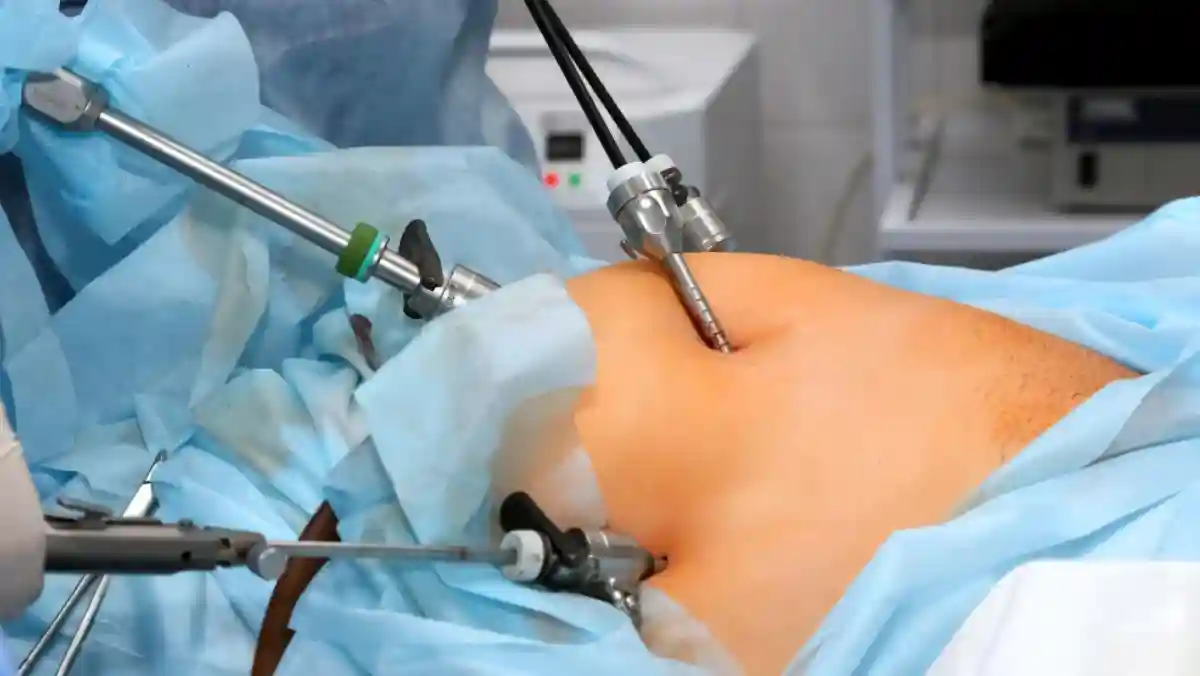
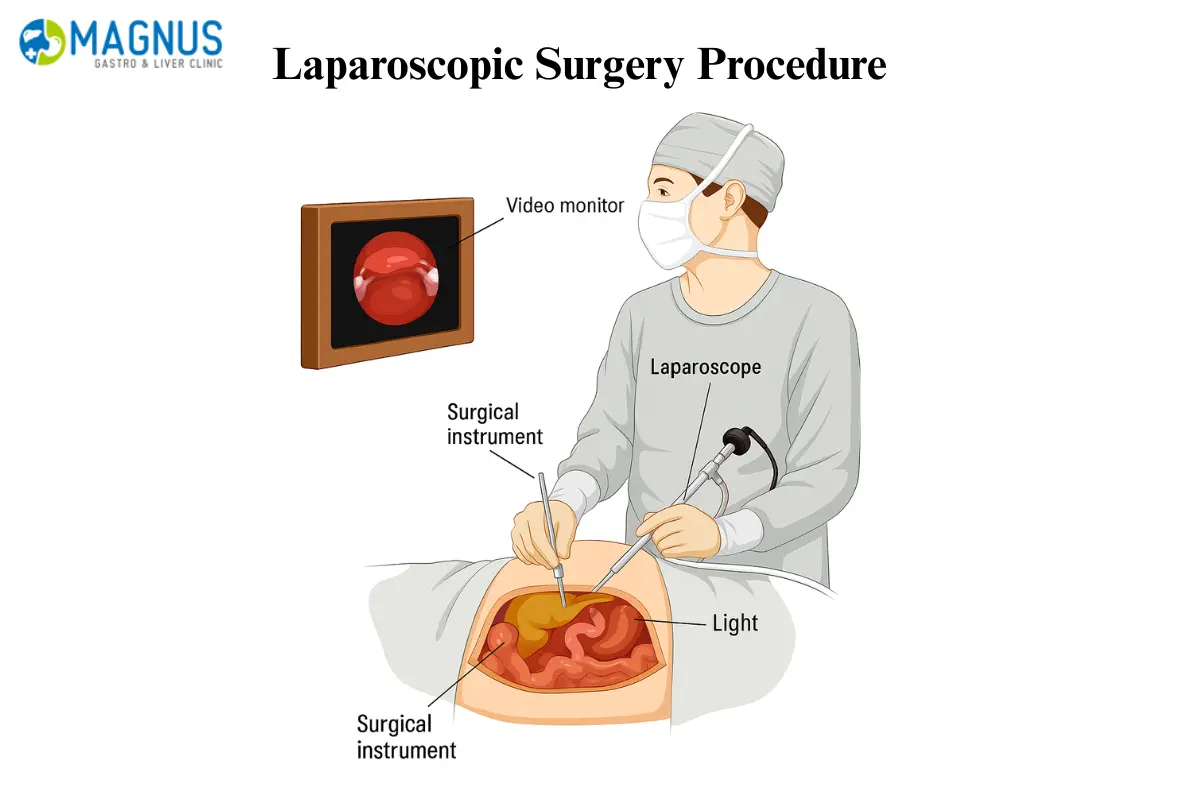
Laparoscopic surgery is a minimally invasive surgical technique used to diagnose and treat various conditions affecting the abdomen and digestive system. Unlike traditional open surgery, this approach uses small incisions through which a camera and specialised instruments are inserted to perform the required procedure. It may help reduce postoperative discomfort, minimise visible scarring and support recovery in appropriately selected patients.
Dr. Magnus Jayaraj, Surgical Gastroenterologist in Chennai, provides surgical care for gastrointestinal, liver and digestive system conditions. With expertise in minimally invasive surgical techniques, he evaluates each patient’s condition to determine whether laparoscopic surgery is an appropriate treatment option. The surgical approach is selected based on the diagnosis, complexity of the condition and overall health of the patient.
| Laparoscopic Surgery | Open Surgery |
| Small incisions, typically ¼ to ½ inch each. | Larger incision, usually between 8-10 inches. |
| Reduced recovery time post-operation. | Longer and more complex post-operative recovery. |
| Shorter hospitalization is required. | Extended hospital stays. |
| Lower need for narcotics and post-surgery medications. | Increased requirement for narcotics and other recovery medications. |
| Fewer wound complications and risks of infection. | Higher incidence of wound complications, including infections. |
| Minimal bleeding, often eliminating the need for blood transfusions. | Greater risk of excessive bleeding and a potential need for blood transfusions. |
| Reduced exposure of internal organs to potential external contaminants, decreasing infection risks. | Increased exposure of internal organs to external contaminants, raising infection risks. |
Laparoscopy encompasses various types tailored to diagnose and treat different medical conditions using minimally invasive techniques. Laparoscopic surgery in Chennai offers patients access to these advanced procedures, combining precision with reduced recovery times and less postoperative discomfort. The cost of laparoscopic surgery in Chennai depends on the type of laparoscopy performed, hospital facilities, and Laparoscopic Surgeon expertise, making it essential for patients to understand the options available.

Hospital Facilities: The availability of modern surgical equipment, well-equipped operation theatres and specialised medical support can affect treatment charges.
Surgeon's Experience: The surgeon's qualifications, experience and expertise in minimally invasive techniques may influence professional fees.
Preoperative and Postoperative Care: Expenses may include diagnostic tests, anaesthesia, medications, hospital stays and follow-up consultations. The extent of care required can affect the total treatment cost.
Geographical Location: Hospital charges may vary depending on the location, infrastructure and facilities available at the medical centre.
Laparoscopic surgery offers a minimally invasive approach to treating various medical conditions, with benefits such as smaller incisions, reduced postoperative discomfort and shorter recovery periods. The choice of procedure depends on the patient's condition, overall health and the surgeon's assessment. Understanding the available treatment options, expected recovery and associated costs can help patients make informed decisions. A consultation with an experienced surgeon can help determine the most suitable approach for individual needs.
Read more: Can the Liver Repair Itself
Laparoscopic surgery is a minimally invasive surgical technique that uses a thin camera called a laparoscope and specialised instruments inserted through small abdominal incisions. It allows surgeons to view internal organs on a monitor and perform procedures without making a large surgical cut.
Laparoscopic surgery can be used to treat several abdominal and gastrointestinal conditions, including gallstones, appendicitis, abdominal hernias and selected intestinal disorders. It may also be suitable for certain stomach and colorectal conditions depending on the diagnosis.

Laparoscopic surgery may offer advantages such as smaller incisions, less postoperative discomfort and shorter hospital stays in suitable patients. However, open surgery may be more appropriate for certain complex conditions. The choice depends on the patient’s health and surgical requirements.
The duration depends on the type and complexity of the procedure. Some laparoscopic operations may take around one hour, while more complex gastrointestinal surgeries can require several hours. The surgeon can provide an estimated duration after evaluating the condition.
The procedure is generally performed under general anaesthesia, so patients do not feel pain during surgery. Mild to moderate discomfort, abdominal soreness or temporary shoulder pain may occur afterwards. These symptoms are usually managed with prescribed medications.