Medically reviewed by Dr. Magnus Jayaraj Mansard, Specialist in Liver Transplantation, HPB Surgery and Surgical Gastroenterology. Last medically reviewed on August 2026.
Dr. Magnus Jayaraj Mansard is a liver transplantation surgeon and surgical gastroenterologist in Chennai with experience in hepatobiliary, pancreatic and complex gastrointestinal surgery. He evaluates patients with liver tumours, bile duct conditions, advanced liver disease and conditions that may require surgical or transplant assessment. Care is planned in coordination with medical hepatologists, radiologists, oncologists and transplant teams when required.
About Dr. Magnus Jayaraj’s Liver Surgery Expertise
MBBS, MS – General Surgery, DNB – Surgical Gastroenterology, MRCS (UK)
Dr. Magnus Jayaraj is a Liver Transplantation Surgeon and Surgical Gastroenterologist with expertise in liver, gallbladder, bile duct and gastrointestinal surgery. His clinical focus includes liver transplantation, hepatobiliary surgery, advanced laparoscopic procedures and the surgical management of complex digestive conditions.
- Specializes in liver transplantation, liver tumours and hepatobiliary disorders
- Performs advanced laparoscopic and minimally invasive gastrointestinal surgeries
- Provides surgical treatment for gallbladder, bile duct and pancreatic conditions
- Develops personalized treatment plans based on diagnosis and overall health
- Offers surgical consultations and second opinions for complex liver conditions
Patients seeking surgical treatment for liver or gastrointestinal diseases in Chennai may consult Dr. Magnus Jayaraj for specialized evaluation and evidence-based surgical care.

When to Approach the Best Hepatologist in Chennai?
A hepatologist specializes in diagnosing and treating liver conditions such as hepatitis, cirrhosis liver, fatty liver disease, and liver cancer. Chennai is home to some of the most renowned liver doctors, offering advanced treatment options and compassionate care.
- If you have symptoms such as jaundice (yellowing of the skin and eyes), persistent abdominal pain or discomfort, unexplained weight loss, chronic fatigue, or abnormal liver function test results, it is advisable to seek the expertise of a hepatologist.
- If you have been diagnosed with a liver condition such as hepatitis B or C, alcoholic liver disease, non-alcoholic fatty liver disease (NAFLD), autoimmune liver disease, or cirrhosis, a hepatologist can provide specialized care and management.
- If routine blood tests indicate abnormal liver function, including elevated liver enzymes or bilirubin levels, a hepatologist can help investigate the underlying cause and provide appropriate treatment.
- If you have been diagnosed with liver cancer or have suspicious liver lesions, a hepatologist can help determine the extent of the disease and recommend treatment options, including liver transplantation if necessary.
- If you or a loved one is in need of a liver transplant or are considering this treatment option, a hepatologist who specializes in transplant medicine can guide you through the evaluation process, transplant surgery, and post-transplant care.
Common Liver Diseases Treated
Liver diseases can affect people of all ages and often develop silently without noticeable symptoms in the early stages. Conditions like fatty liver disease, hepatitis, and cirrhosis may gradually damage the liver and affect overall health if left untreated. Early diagnosis and proper medical care play an important role in preventing complications and improving liver function. Hepatologists specialize in identifying liver disorders and providing personalized treatment based on the patient’s condition.
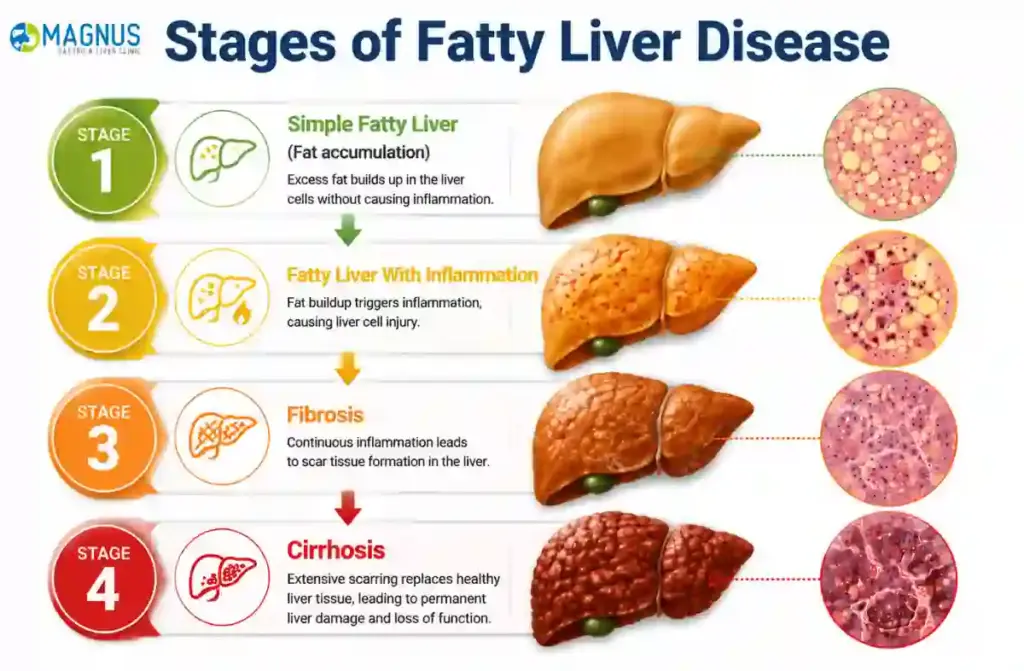
- Fatty Liver Disease: Fatty liver disease occurs when excess fat builds up in the liver due to obesity, diabetes, unhealthy diet, or alcohol consumption. Early lifestyle changes, exercise, and proper treatment can help reverse liver damage and improve liver health.
- Viral Hepatitis: Viral hepatitis is caused by infections such as Hepatitis B and Hepatitis C, leading to long-term liver inflammation. Timely diagnosis and antiviral treatment help reduce complications like liver cirrhosis and liver cancer.
- Liver Cirrhosis: Liver cirrhosis develops when healthy liver tissue is replaced by scar tissue because of chronic liver damage. Proper medical care helps manage symptoms, slow disease progression, and prevent severe liver complications.
- Autoimmune Liver Diseases: Autoimmune liver diseases occur when the immune system mistakenly attacks liver cells or bile ducts. Early diagnosis and medication help control inflammation and protect liver function over time.
- Genetic and Metabolic Liver Disorders: Inherited liver conditions like Wilson’s disease and hemochromatosis affect the body’s ability to process minerals and nutrients properly. Early medical intervention helps prevent long-term liver damage and related health complications.
- Liver Cancer and Liver Failure: Liver cancer and liver failure are serious conditions that are often associated with chronic liver disease and cirrhosis. Early diagnosis, regular monitoring, and timely medical treatment play a vital role in improving outcomes, preserving liver function, and supporting long-term patient health.
Maintaining liver health requires regular medical checkups, healthy lifestyle habits, and early attention to symptoms. Timely consultation with a liver specialist helps detect liver diseases early and supports better long-term recovery. Proper treatment and preventive care can significantly improve quality of life and overall liver function.
Diagnosis
- Blood Tests: Liver function tests (LFTs) measure the levels of enzymes, bilirubin, and proteins in the blood, providing valuable information about liver health and potential liver diseases.
- Imaging Studies: Techniques such as ultrasound, CT scans, and MRI help visualize the liver and detect abnormalities such as tumors, cysts, fatty liver changes, inflammation, or other structural conditions. These imaging tests play an important role in accurate diagnosis and treatment planning.
- Biopsy: Liver biopsy involves the removal of a small sample of liver tissue for examination under a microscope. It helps in diagnosing liver diseases, assessing the severity of liver damage, and identifying specific conditions such as hepatitis, fibrosis, or cirrhosis.
- Serological Tests: These tests check for the presence of specific antibodies or antigens related to liver diseases such as hepatitis viruses (A, B, C, etc.) or autoimmune liver diseases.
- Genetic Testing: In certain cases, genetic testing may be recommended to identify inherited liver disorders or assess a person’s risk of developing specific liver diseases. The results can help guide diagnosis, treatment planning, and long-term disease management.
- FibroScan: This non-invasive procedure assesses liver stiffness, providing information about the degree of fibrosis or scarring in the liver.
- Endoscopic Procedures: Endoscopic retrograde cholangiopancreatography (ERCP) or endoscopic ultrasound (EUS) may be performed to evaluate the bile ducts, gallbladder, and pancreas for abnormalities or blockages.
Based on the results of these diagnostic tests, a hepatologist can make an accurate diagnosis and develop an appropriate treatment plan tailored to the patient’s specific condition.
Benefits of Choosing the Best Hepatologist in Chennai
Seeking the expertise of the best hepatologist provides several crucial benefits for individuals dealing with liver-related health issues.
Firstly, these specialists possess a wealth of knowledge and experience in the field of hepatology, which is essential for accurate diagnosis and effective treatment. Their comprehensive understanding of liver diseases allows them to identify and address complex conditions that may go undetected by general practitioners.
Secondly, top hepatologists are often affiliated with leading medical institutions and research centers, which means they have access to the latest advancements in liver disease management. This translates to cutting-edge therapies, innovative diagnostic tools, and clinical trials that can offer hope to patients with challenging liver conditions. Staying at the forefront of medical developments enables these experts to provide the most up-to-date and evidence-based care.
Advanced Liver Treatments Available
Modern hepatology has evolved significantly, offering patients safer, more precise, and less invasive treatment options. Today, emphasis is placed not only on treatment but also on early detection, prevention, and long-term liver health management. Patients receive comprehensive care through advanced diagnostic tools and evidence-based treatment approaches, ensuring better outcomes and improved quality of life.
- ICU liver failure management: Severe liver failure cases require intensive care support. Critical monitoring, infection control, and emergency interventions are provided in specialized ICU settings to stabilize the patient.
- Non-surgical liver care: Most liver conditions can be managed without surgery in the early stages. Lifestyle modifications, medications, and dietary planning play a crucial role. Patients are guided to reduce alcohol intake, control diabetes, and improve nutrition for better liver recovery.
- Liver biopsy: In certain cases, a liver biopsy is recommended to understand the exact nature and severity of liver disease. It helps in diagnosing inflammation, fibrosis, or fatty changes at a microscopic level, allowing precise treatment planning.
- FibroScan evaluation: FibroScan is a non-invasive test that measures liver stiffness and helps detect fibrosis and cirrhosis without the need for surgery. This quick and painless assessment supports early detection, disease monitoring, and timely treatment planning for chronic liver conditions.
- Hepatitis treatment protocols: Hepatitis B and C require long-term antiviral therapy and regular monitoring. With updated treatment protocols, viral suppression and disease control are now highly effective, reducing the risk of liver failure.
- Liver transplant evaluation: For advanced liver disease, transplant evaluation becomes essential. A comprehensive assessment includes reviewing the severity of liver disease, overall health, donor compatibility, and other medical factors to determine whether liver transplantation is the most appropriate treatment option.
Why Choose Dr. Magnus Jayaraj
Dr. Magnus Jayaraj is recognized for delivering comprehensive liver care with a strong focus on accuracy, patient safety, and advanced treatment outcomes. With over 17+ years of clinical experience in hepatology and hepatobiliary care, he brings deep expertise in managing complex liver conditions. Patients looking for a Hepatologist in Chennai often seek his expertise due to his structured and evidence-based approach.
- High success treatment outcomes: With structured protocols and continuous monitoring, patients experience improved recovery rates and long-term liver stability.
- Advanced diagnostic technology: Modern imaging, FibroScan, and laboratory diagnostics help in identifying liver diseases at an early stage. This ensures faster treatment initiation and better recovery outcomes.
- Personalized treatment plans: Every patient receives a tailored treatment plan based on their condition, lifestyle, and medical history. This individualized care improves treatment success rates significantly.
- Emergency liver care support: Liver emergencies such as acute hepatitis or liver failure require immediate intervention. Rapid response systems ensure timely and life-saving treatment.
- Multidisciplinary team approach: Liver disease management often requires coordination between gastroenterologists, dietitians, intensivists, and transplant surgeons. This team-based approach ensures holistic care.
Lifestyle and Preventive Liver Care
Preventing liver disease is just as important as treating it. Adopting a healthy lifestyle, maintaining a balanced diet, exercising regularly, limiting alcohol consumption, staying vaccinated against hepatitis, and attending routine health check-ups can help protect liver function and reduce the risk of chronic liver disease.
Simple yet effective steps include:
- Maintaining a balanced, low-fat diet
- Avoiding excessive alcohol consumption
- Managing diabetes and cholesterol levels
- Staying physically active
- Getting regular liver function tests
Even small changes like reducing oily foods and increasing hydration can significantly improve liver health over time.
Conclusion
The plan devised by a hepatologist is tailored to the individual patient’s condition, taking into account factors such as disease severity, patient preferences, and potential risks and benefits of various treatment options. Regular monitoring and follow-up with best hepatologist in Chennai like Dr. Magnus Jayaraj Mansard are crucial to assess treatment effectiveness and make any necessary adjustments to the management plan.
Read more: Liver Cirrhosis Treatment