Liver health is essential for overall well-being, but many liver conditions can develop silently without clear warning signs in the early stages. Diseases such as fatty liver, hepatitis, cirrhosis, and other liver disorders may gradually worsen over time if they are not diagnosed and treated properly. Early evaluation by an experienced specialist can help prevent complications and support better treatment outcomes.
For residents of Navalur and the OMR region, accessing expert liver care closer to home can make regular consultations and follow-ups more convenient. Dr. Magnus Jayaraj, an experienced liver and gastrointestinal specialist, provides advanced care for liver, pancreas, and biliary conditions with a focus on accurate diagnosis and personalized treatment. If you are searching for the Best Hepatologist in Navalur, this guide will help you understand liver care, treatment options, and the importance of choosing the right specialist for your health needs.
What Does a Hepatologist Do?
A hepatologist is a medical specialist who diagnoses, treats, and manages diseases affecting the:
- Liver
- Gallbladder
- Bile ducts
- Pancreas
These specialists undergo advanced training to manage both common and complex liver disorders, ranging from fatty liver disease to liver failure and transplantation.
Hepatologist vs Gastroenterologist
Many patients often consider hepatologists and gastroenterologists to be the same, but their areas of specialization are different. While both manage digestive health problems, a hepatologist focuses specifically on liver, gallbladder, bile duct, and related disorders. Patients looking for a Liver specialist in Navalur can consult a hepatologist for expert evaluation and treatment of conditions such as fatty liver, hepatitis, cirrhosis, and other liver-related diseases.
Gastroenterologist
- Treats digestive tract disorders
- Manages stomach, intestine, colon, and digestive issues
- Performs endoscopy and colonoscopy
Hepatologist
- Specializes exclusively in liver and biliary diseases
- Treats hepatitis, cirrhosis, liver cancer, and liver failure
- Evaluates patients for liver transplantation
If you have persistent liver-related symptoms or abnormal liver function tests, consulting a hepatologist is often the best choice.
Best Hepatologist in Navalur
Dr. Magnus Jayaraj
- Qualifications: MBBS, MS (General Surgery), DNB (Surgical Gastroenterology), MRCS (UK)
- Experience: With 17+ years of clinical experience, Dr. Magnus Jayaraj specializes in managing complex liver, pancreas, and biliary diseases, including advanced liver conditions requiring specialized surgical and transplant care.
Dr. Magnus Jayaraj is known for his expertise in hepatobiliary and pancreatic care, offering advanced treatment solutions for conditions such as liver disease, fatty liver, cirrhosis, liver tumors, bile duct disorders, and other digestive system-related problems. Patients looking for a Hepatologist in Kelambakkam can also benefit from his specialized approach, which focuses on accurate diagnosis, advanced treatment planning, and personalized care based on each patient’s condition.

With extensive experience in minimally invasive gastrointestinal and hepatobiliary procedures, he aims to provide effective treatments with reduced discomfort and improved recovery outcomes. His patient-centered approach ensures that individuals receive comprehensive guidance throughout their treatment journey.
As a trusted liver specialist, Dr. Magnus Jayaraj provides advanced liver care through Magnus Gastro and Liver Clinic, Chennai, helping patients access specialized evaluation and treatment for both common and complex liver disorders. Patients searching for the Best Hepatologist in Navalur can benefit from his expertise, modern treatment approach, and commitment to delivering quality liver care.
Common Liver Conditions Treated
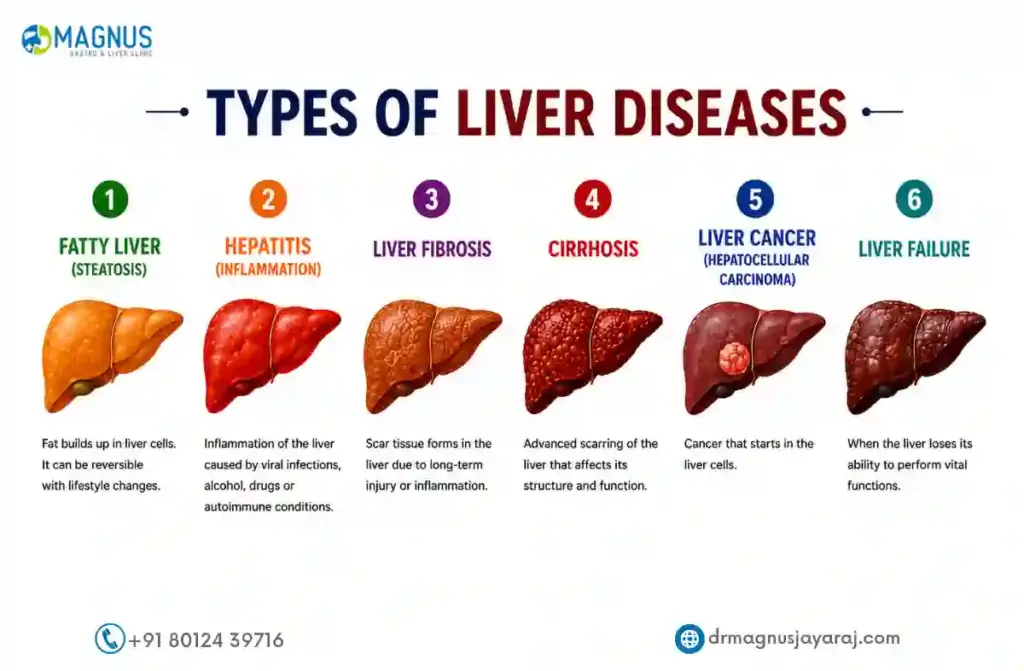
- Fatty Liver Disease (NAFLD & AFLD): Fatty liver disease occurs when excess fat accumulates within liver cells. If not managed properly, fatty liver can worsen over time and lead to liver inflammation, scarring (fibrosis), and eventually cirrhosis.
- Hepatitis B and Hepatitis C: These viral infections can cause chronic liver damage and increase the risk of liver cancer if left untreated.
- Cirrhosis: Cirrhosis refers to permanent scarring of liver tissue that affects liver function and may lead to liver failure.
- Liver Fibrosis: Fibrosis develops when repeated injury or long-term inflammation causes scar tissue to build up within the liver. This gradual scarring can affect liver function if not identified and managed at the right time. Early detection and proper treatment can help slow disease progression and support better liver health.
- Jaundice: Jaundice causes yellowing of the eyes and skin due to elevated bilirubin levels and may indicate underlying liver dysfunction.
- Liver Cancer: Identifying the condition at an early stage can help doctors begin appropriate care sooner and improve the chances of better health outcomes. Hepatologists are responsible for detecting liver-related problems early and providing specialized care to manage and treat various liver conditions effectively.
- Autoimmune Liver Disease: This condition occurs when the body’s immune system mistakenly attacks liver cells, leading to chronic inflammation.
Signs & Symptoms of Liver Disease
Early Warning Signs
Many liver diseases begin with subtle symptoms such as:
- Persistent fatigue
- Loss of appetite
- Nausea
- Indigestion
- Mild abdominal discomfort
- Unexplained weakness
Advanced Symptoms
As the condition advances and liver function becomes affected, symptoms may start appearing more clearly and require medical attention.
- Yellow eyes and skin
- Abdominal swelling
- Leg swelling
- Dark-colored urine
- Easy bruising
- Sudden weight loss
- Mental confusion
- Vomiting blood
These symptoms require immediate medical evaluation.
When Should You Consult a Hepatologist?
Liver diseases may develop gradually over time and often go unnoticed, as the initial symptoms can be very mild or may not appear at all. Seeking medical attention at the right time can help prevent serious complications and improve treatment outcomes. If you notice any of the following signs or risk factors, consider consulting the Best Hepatologist in Navalur.
Signs and Risk Factors That Require Evaluation
- Persistent jaundice (yellowing of the skin and eyes)
- Abnormal liver function test (LFT) results
- Chronic Hepatitis B or Hepatitis C infection
- Diagnosis of fatty liver disease
- Family history of liver disorders
- Excessive alcohol consumption
- Unexplained weight loss
- Persistent abdominal swelling or bloating
- Liver fibrosis or cirrhosis diagnosis
- Persistent tiredness or reduced energy levels that continue without any obvious reason.
Early consultation with a liver specialist can help identify the underlying cause and prevent disease progression. Patients looking for a Liver specialist in Navalur should not wait until symptoms become severe, as timely diagnosis and treatment can significantly improve long-term liver health and overall quality of life.
Diagnostic Tests for Liver Disease
Accurate diagnosis plays a key role in identifying the cause, stage, and severity of liver problems. A hepatologist uses advanced diagnostic methods to evaluate liver function, detect damage early, and create an effective treatment plan. Patients searching for the Best Hepatologist in Sholinganallur can benefit from proper liver assessment and timely medical guidance.
Common tests include:
- Liver Function Test (LFT): Measures liver enzymes and overall liver performance.
- FibroScan: Non-invasive test used to evaluate liver stiffness and fibrosis.
- Ultrasound: Helps detect fatty liver, cirrhosis, and liver masses.
- CT Scan: Provides detailed imaging of liver structures.
- MRI: Used for advanced liver imaging and tumor assessment.
- Liver Biopsy: Provides microscopic evaluation of liver tissue.
- Hepatitis Screening: Detects viral infections including Hepatitis B and C.
Liver Disease Treatment Options
Liver disease treatment varies depending on the type of condition, severity of liver damage, and the patient’s overall health. Early diagnosis and proper medical care can help slow disease progression, manage symptoms, and improve liver function. A hepatologist creates a personalized treatment plan based on the underlying cause. Patients searching for the Best liver doctor Thalambur can benefit from expert evaluation and personalized liver care based on their specific health needs.
- Lifestyle Modifications: Healthy lifestyle changes play an important role in managing liver conditions, especially fatty liver disease. Maintaining a healthy weight, following a balanced diet, exercising regularly, and avoiding alcohol can reduce liver stress and support better liver function.
- Medications: Doctors may prescribe specific medications to control liver inflammation, manage symptoms, and prevent further damage. The choice of medication depends on the type and stage of liver disease.
- Antiviral Therapy: Patients with chronic Hepatitis B or Hepatitis C may require antiviral treatment to control viral activity, reduce liver damage, and lower the risk of complications such as cirrhosis and liver cancer.
- Cirrhosis Management: Cirrhosis requires continuous monitoring and specialized care to prevent complications. Treatment focuses on managing symptoms, protecting remaining liver function, and improving the patient’s quality of life.
- Liver Cancer Surveillance: Regular screening and monitoring help detect liver cancer at an early stage, especially in patients with chronic liver disease or cirrhosis. Early detection allows timely treatment options and better outcomes.
- Liver Transplant Evaluation: For patients with advanced liver failure or end-stage liver disease, liver transplantation may be considered as a life-saving treatment. A hepatologist evaluates the patient’s condition and guides them through the transplant process.
What Our Patients Say
Real experiences from patients who regained mobility and improved their quality of life with expert Gastro care.
“Having recently undergone laparoscopic inguinal hernia surgery with Dr. Magnus Jayaraj Mansard, I can’t express enough gratitude. His expertise was evident from the start, explaining the procedure in a way that made me feel informed and at ease. The surgery itself was seamless, and the recovery has been quick. Dr. Magnus’s skill and compassionate approach have made this journey much more comfortable than I anticipated. I highly recommend him for anyone seeking a skilled surgeon with a caring touch.”
– Suresh kumar
“He is the best doctors tat I have seen.i got so depressed that I am on stage 3 fatty liver and my life is going to end.i didn’t got any hope from my previous doctor.so I went into depression.then I got magnus sir appointment.he told me to take fibro scan and by god’s grace I am in grade 1.he did teleconsultation and told me to reduce weight and not prescribe d any tablet s.may God bless him for ever.praise the lord”
– shapna s
Why Choose Dr. Magnus Jayaraj?
Choosing the right liver specialist plays an important role in managing liver conditions effectively. Dr. Magnus Jayaraj provides specialized care for patients dealing with various liver-related concerns, including fatty liver disease, hepatitis, cirrhosis, liver inflammation, and other complex liver disorders. His patient-focused approach combines accurate diagnosis, personalized treatment planning, and continuous monitoring to support better liver health outcomes.
- Experienced Approach to Liver Disease Management: Dr. Magnus Jayaraj focuses on understanding the root cause of liver problems rather than only managing symptoms. Through detailed evaluation and appropriate investigations, he helps patients receive the right treatment approach based on their specific condition and disease stage.
- Personalized Treatment Plans: Every liver condition requires a different management strategy. Treatment plans are designed according to the patient’s health status, severity of liver damage, lifestyle factors, and long-term health goals to provide effective and sustainable care.
- Comprehensive Care for Various Liver Conditions: Patients with conditions such as fatty liver, viral hepatitis, cirrhosis, liver fibrosis, and other chronic liver diseases can receive expert guidance and ongoing support to manage their condition and reduce the risk of complications.
- Convenient Liver Care for Navalur: For patients searching for the Best Hepatologist in Navalur, Dr. Magnus Jayaraj offers accessible specialist care for individuals living around Navalur, OMR, and nearby locations. His approach helps patients maintain regular follow-ups and receive timely medical support without unnecessary travel.
- Trusted Support for Long-Term Liver Health: Managing liver disease requires regular monitoring and lifestyle guidance. Dr. Magnus Jayaraj helps patients understand their condition, follow preventive measures, and take proactive steps toward maintaining better liver health.
Liver Health Tips
Maintaining a healthy liver requires consistent care and healthy lifestyle choices. Since many liver conditions progress silently, adopting preventive habits can reduce the risk of liver damage and help maintain better overall health.
- Maintain a Healthy Weight: Excess body weight, especially around the abdomen, can increase the risk of fatty liver disease and inflammation. Maintaining a healthy weight through proper diet and physical activity helps reduce fat accumulation in the liver and supports normal liver function.
- Limit Alcohol Consumption: Excessive alcohol intake can damage liver cells and increase the risk of conditions such as alcoholic fatty liver disease, hepatitis, and cirrhosis. Reducing or avoiding alcohol allows the liver to recover and prevents further complications.
- Follow a Balanced Diet: A nutrient-rich diet plays an important role in protecting liver health Include:
- Choose:
- Fresh fruits
- Vegetables
- Whole grains
- Lean protein sources
- Healthy fats
- Reduce:
- Processed foods
- Sugary drinks
- Excess oily foods
- Foods high in saturated fats
- Exercise Regularly: Regular physical activity improves metabolism, helps control body weight, and reduces the risk of fatty liver disease. Aim for at least 150 minutes of moderate exercise every week through activities such as walking, cycling, or swimming.
- Get Vaccinated: Vaccination against Hepatitis A and Hepatitis B provides protection against viral infections that can cause long-term liver damage. Consult your healthcare provider to understand which vaccinations are recommended for you.
- Schedule Regular Liver Screenings: Routine health check-ups and liver tests can help detect liver problems at an early stage, especially for individuals with risk factors such as diabetes, obesity, hepatitis infection, or a family history of liver disease. Early detection allows timely treatment and prevents serious complications.
Conclusion
Liver diseases often progress silently, making early diagnosis one of the most important factors in successful treatment. Whether you are dealing with fatty liver disease, hepatitis, cirrhosis, liver cancer, or advanced liver failure, choosing the Best Hepatologist in Navalur can help you receive timely, specialized care close to home.
If you notice warning signs such as jaundice, abdominal swelling, unexplained fatigue, or abnormal liver test results, don’t delay seeking medical attention. Schedule a consultation with an experienced liver specialist and take proactive steps toward protecting your liver health and overall well-being.
Read more: Best Liver Transplant Surgeon in Perungudi